




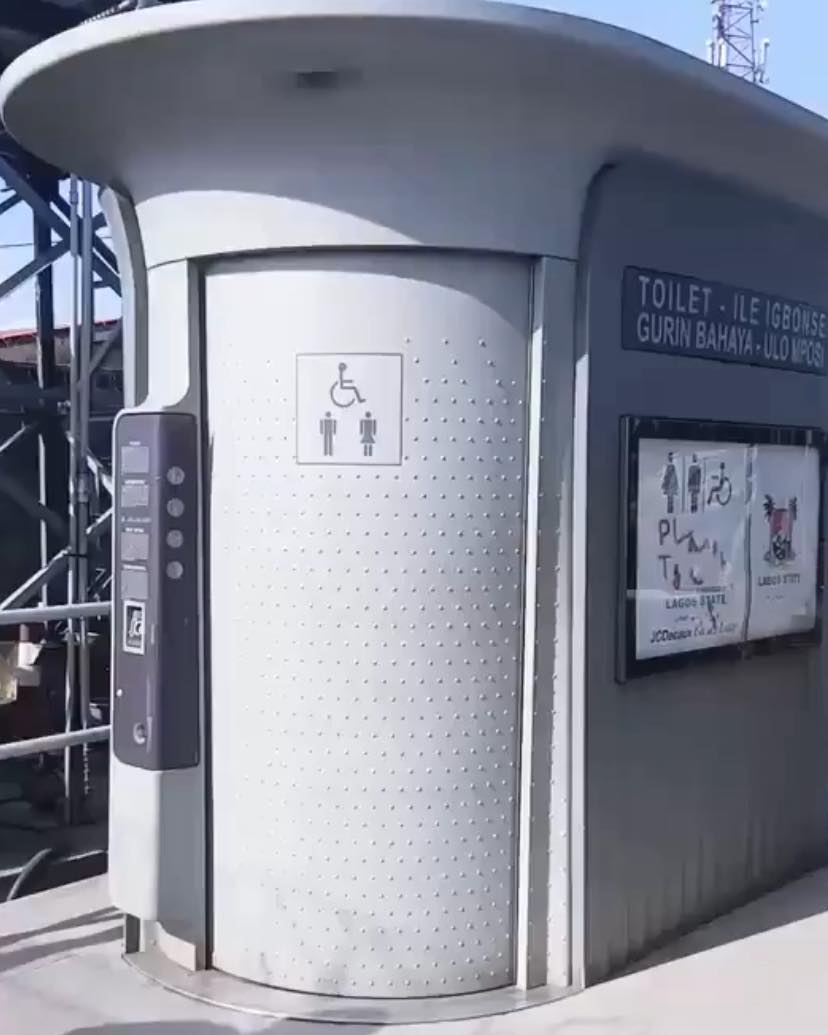
Stakeholders in the water, sanitation and environmental sectors have described the provision of public toilets by the Lagos State Government as a positive step toward ending open defecation, while cautioning that access, maintenance and public education will determine its success.
They spoke in separate interviews in Lagos recently.
The Commissioner for Environment and Water Resources, Tokunbo Wahab, had earlier disclosed that about 1,710 public toilets had been installed across the state as part of efforts to improve sanitation and eliminate open defecation.
Head of Advocacy, Policy and Communications at WaterAid Nigeria, Kolawole Banwo, said while the initiative is commendable, enforcement of sanitation laws should be preceded by the provision of adequate and functional alternatives.
Banwo stressed that the success of the initiative depends on continuous water supply, proper maintenance and cleanliness, warning that poorly managed facilities could discourage usage even if access is free.
He also called for inclusive toilet designs to accommodate persons with disabilities, as well as adequate safety, privacy and secure locks, particularly for women. According to him, the provision of handwashing facilities is essential to promote hygiene and prevent disease.
Similarly, Executive Director of Renevlyn Development Initiative, Philip Jakpor, described the installation of over 1,000 public toilets as commendable, but urged stronger monitoring and regular disinfection to prevent the facilities from becoming health risks.
Jakpor also called on banks and other public institutions to comply with government directives to open their toilets to the public, noting that broader access would complement state efforts.
On his part, Executive Director of EnviroNews Advocacy & Campaigns for Sustainability, Michael Simire, said the initiative reflects growing recognition of sanitation challenges in densely populated communities.
However, he emphasised that infrastructure alone would not end open defecation, noting that facilities must be accessible and affordable, particularly in markets, motor parks, waterfronts and informal settlements.
Simire called for sustainable maintenance frameworks involving community participation and private sector engagement, alongside public education to drive behavioural change.
He added that enforcement of sanitation laws should be fair and humane, stressing that infrastructure provision must come before punitive measures.
He also urged the government to publish data on the number, location and operational status of public toilets to enhance transparency and accountability.
The Lagos State Government has intensified its campaign against open defecation, combining infrastructure expansion with stricter enforcement of sanitation laws and calls for private sector participation to improve access.


