




The Rural Electrification Agency (REA) has called for increased investment in clean energy, smart mobility and artificial intelligence (AI) governance to accelerate Nigeria’s development.
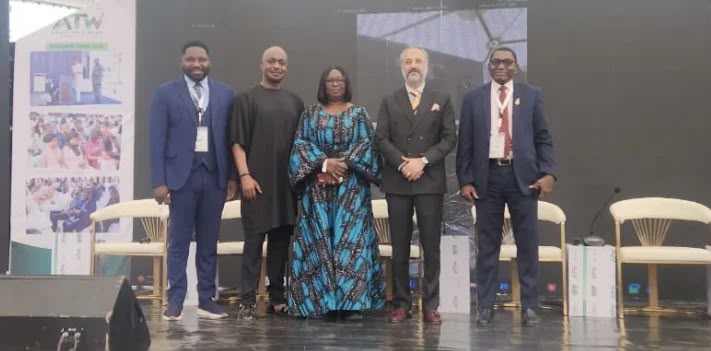
The Managing Director of REA, Mr. Abba Aliyu, made the call on Tuesday in Abuja at the Abuja Tech Week, co-hosted by REA, Young Innovators of Nigeria (YIN) and the Nigeria Computer Society (NCS), Abuja ChapteR with the theme “Energising Smart Mobility: Powering Cities of the Future”.
Aliyu, who was represented by the Assistant Director, Planning, Research and Development, Mr. Bala Tyoden, said Nigeria’s transition to electric mobility would require substantial investment in electricity generation.
He explained that if half of the country’s registered vehicles switched to electric power, the demand would exceed the electricity currently supplied by the national grid.
Citing National Bureau of Statistics data, Aliyu said Nigeria had about 11.8 million registered vehicles, noting that powering half of them at an estimated 20 kilowatt-hours daily would require nearly 5,000 megawatts of electricity.
He added that the Nigerian Electricity Regulatory Commission (NERC) had reported that the national grid generated an average of slightly above 4,000 megawatts in recent months.
“So half of our present fleet, once electric, would need more electricity than the whole grid currently delivers,” Aliyu said.
He stressed that the transition must be supported by increased electricity generation, particularly through solar power installations around parking facilities.
According to him, Nigeria could begin the transition by prioritising buses, tricycles, motorcycles and delivery vans.
Aliyu noted that while the country had more than 27,000 filling stations, it had fewer than 50 public electric vehicle charging stations as at the end of 2025.
He also disclosed that the Federal Government commissioned the first of 100 electric buses for civil servants in Abuja in August, while REA had installed solar-powered charging points in Jigawa and Tunga, Awe Local Government Area of Nasarawa State.
The REA managing director cautioned against the deployment of substandard systems, urging polytechnics and technical colleges to train technicians who would support the emerging electric mobility sector.
Speaking at the event, the Chairman of NCS, Abuja Chapter, Mr Andrew Abu, said Nigeria needed a smart mobility framework driven by data, clean energy and local innovation.
“Energising smart mobility means we must power not just our vehicles, but our vision for the future,” Abu said.
He said the society would collaborate with stakeholders to develop a skills blueprint and support the National Innovation Challenge.
Similarly, the President of YIN, Ms Joy Buba, said young Nigerians should take the lead in the country’s transition to smart mobility.
“Energising smart mobility is about energising young people. If we power youth innovation, youth innovation will power our cities,” she said.
Buba said YIN would mobilise innovators across the 36 states and the FCT to develop home-grown solutions for transportation and green logistics.
She also called for the inclusion of women and persons with disabilities in the emerging sector.
In a related development, the Chairman of the Nigeria AI Forum (NAIGF), Mr Olusola Teniola, called for stronger intergovernmental coordination to drive the implementation of the National Artificial Intelligence Strategy (NAIS).
Teniola made the call in an open letter to President Bola Tinubu at the launch of the forum.
He sought presidential support for inter-ministerial coordination under Pillar Five of NAIS, led by the Federal Ministry of Communications, Innovation and Digital Economy (FMCIDE) and the National Information Technology Development Agency (NITDA).
He also proposed the formal recognition of NAIGF as an independent, non-regulatory national multi-stakeholder platform.
Other proposals included a presidential directive, the designation of focal officers in ministries, departments and agencies (MDAs), an inclusive charter and a national engagement framework for United Nations and African Union processes.
Teniola further called for a time-bound implementation roadmap and the publication of annual progress reports.
“Countries that build the institutional capacity to govern AI responsibly will help shape its future. Nigeria must be among those countries,” he said.


