




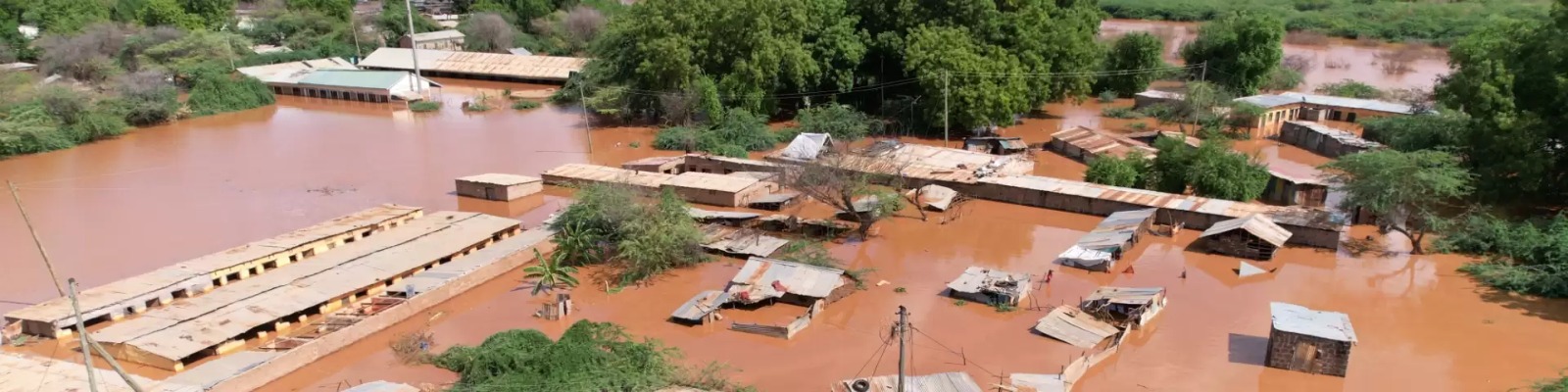
As heavy rains descended on the Nairobi, Kenya suburb of Ruai earlier this week, they quickly overwhelmed its streets, reportedly sweeping away three people standing alongside a road.
It marked the second time in a little over a month that Nairobi, Kenya’s capital, had been hit by torrential rains. In March, floodwaters swamped several parts of the city, killing at least 37 people, according to media reports.
The flooding was emblematic of the perils facing cities across East Africa, where experts say climate change and rapid urbanization are increasing the risk of water-related disasters.
“Across African cities, water extremes – too much during intense rains and too little during droughts – are driving increasingly severe impacts,” said Fruzsina Straus, Head of Disaster Risk Reduction for the United Nations Environment Programme (UNEP). “Cities must adapt rapidly to this new water volatility.”
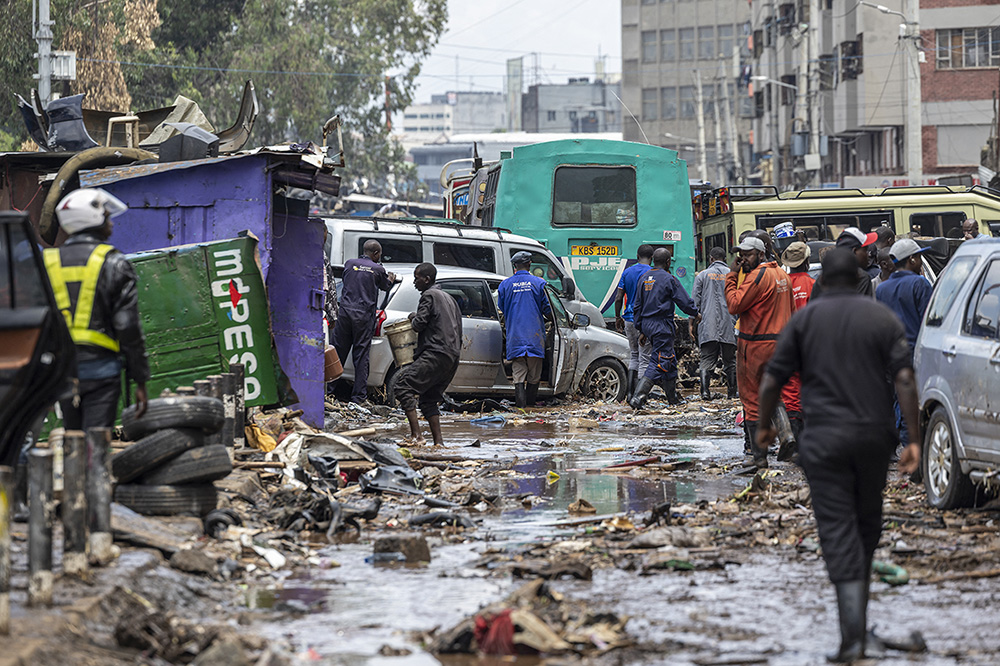
East Africa – home to more than 400 million people – has long experienced wet weather from March to May, a period known as the “long rains.” But as cities like Nairobi, Kampala, Uganda and Juba, South Sudan have grown in recent decades, they have become dangerously exposed to seasonal downpours. In many places ageing sewer systems are struggling to handle storm runoff. Roads and concrete surfaces have replaced the ground that once absorbed water. And many open drains have become blocked by rubbish.
These problems are being compounded by climate change, which experts believe is triggering a rash of extreme weather. In 2024, for example, heavy rains in Burundi, Kenya and Tanzania displaced some 700,000 people.
Climate projections show annual precipitation rising across much of the region in the years to come, with jumps of 40 per cent or more possible in some areas.
Experts say East African cities can shield themselves from some of those rains by changing how they think about water. For decades, many urban centres have attempted to channel water away through drains and spillways as fast as possible.
Instead, Straus says, cities need to design and grow with water in mind. That means protecting the rivers, wetlands and open ground that naturally absorb rainfall, and weaving those natura-spaces into the urban fabric.
“Cities need to build with water, not fight it – managing floodwaters while also retaining them as a resource for the dry months,” says Straus.
Some urban centres are already doing this. In Nakuru, Kenya, a “sponge city” programme is redesigning neighbourhoods to slow and capture rainfall. In Beira, Mozambique, the rehabilitation of the Chiveve River restored a natural drainage corridor that had been choked by development.
African cities are urbanizing faster than anywhere else on the planet, and many have limited resources. But municipalities can make life-saving changes by working with local communities, drawing on international and homegrown experience, and harnessing the energy of the private sector, says Straus.
“African cities have the ingenuity to meet this challenge,” she says. “But the window to get urban growth right is narrow. Decisions about roads, drainage and land use being made today will shape how these cities cope with floods for decades to come.”
Source: UNEP


