Kenya is advancing efforts to modernise its waste management systems through a new partnership aimed at deploying what is described as the world’s first fully automated waste segregation technology.
Local enterprise TakaTaka Ni Mali has teamed up with India-based zero-waste technology firm TrashCon to introduce the “TrashBot,” an automated system designed to separate mixed municipal waste into organic and recyclable streams. The collaboration is supported by TRANSFORM, a joint initiative led by Unilever, the UK government’s Foreign, Commonwealth and Development Office, and EY.
The system enables counties to process mixed waste more efficiently by isolating wet organic material from dry recyclables. Organic waste can then be composted or converted into biogas, while dry fractions are channelled into recycling streams or repurposed into materials such as construction boards.
Unlike conventional centralised systems, the TrashBot is designed for decentralised deployment at county-level Material Recovery Facilities, where it complements existing manual collection and sorting processes. Proponents say this approach improves worker safety, reduces exposure to hazardous waste, and enhances recovery rates, particularly for smaller or lower-value materials that are often missed in manual sorting.
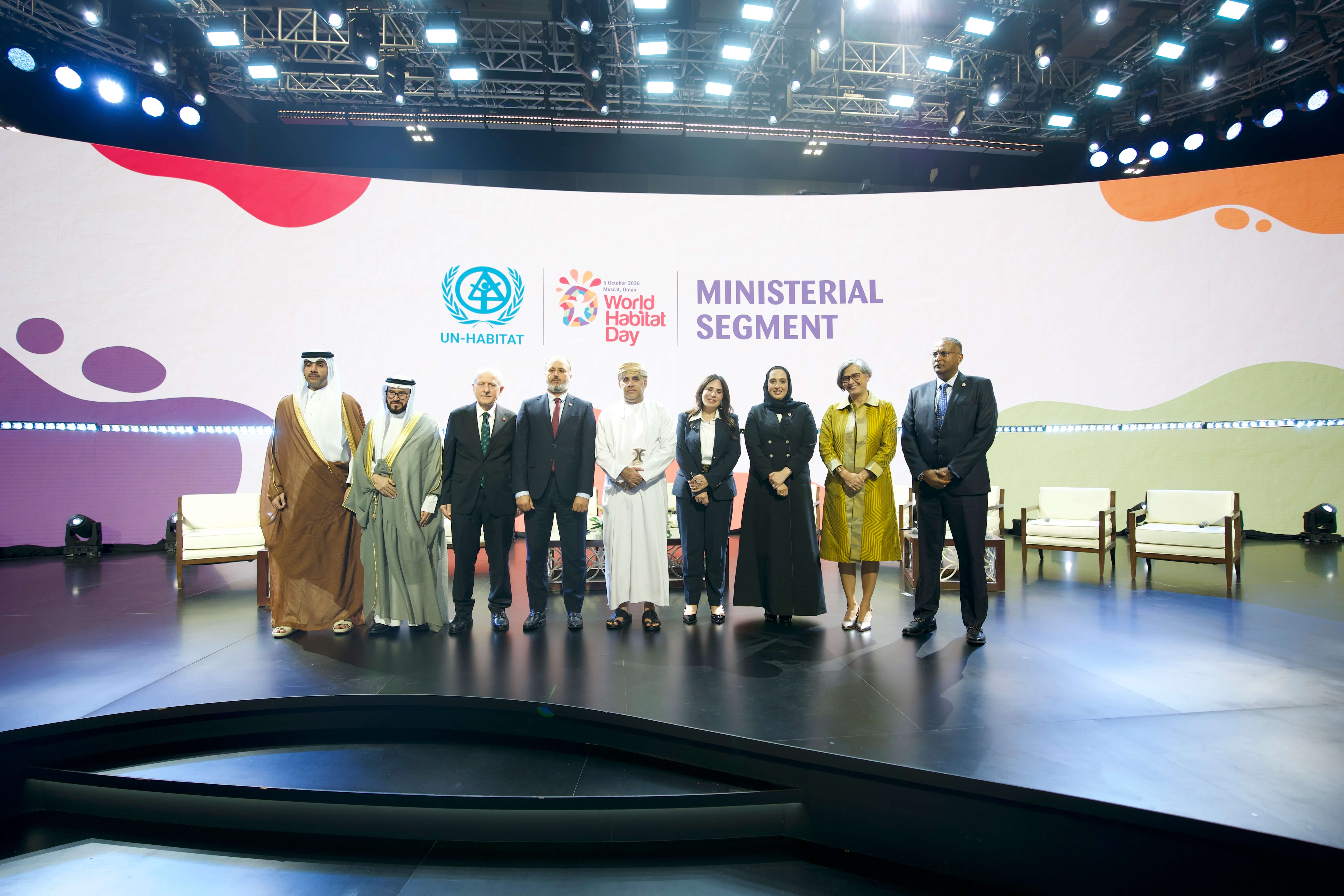
The first unit was unveiled during a circular economy-focused side event at the Kenya International Investment Conference 2026, held from 25 to 27 March, with additional machines expected to be deployed in the coming months.
Kenya’s policy landscape has increasingly prioritised circular economy principles, particularly following the enactment of the Sustainable Waste Management Act, which mandates household-level waste segregation. However, implementation gaps remain. Collection rates in urban areas are estimated at just 20–30%, according to sector analyses, leaving informal waste workers to fill systemic shortfalls.
Automated segregation could help address these constraints by improving efficiency and traceability while supporting compliance with emerging Extended Producer Responsibility (EPR) frameworks, which place greater accountability on manufacturers for post-consumer waste.
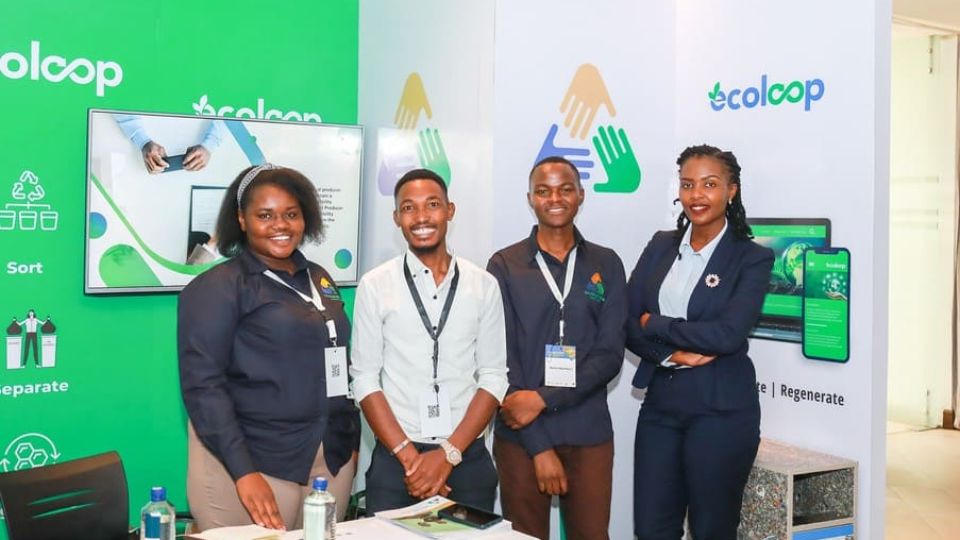
Under the partnership, TakaTaka Ni Mali will act as the local distributor and systems integrator, overseeing installation, maintenance, and alignment with Kenya’s broader waste infrastructure. The company has also deployed “Ecomali,” a digital platform developed with TRANSFORM, to track waste flows and demonstrate the commercial viability of circular waste solutions.
Stakeholders involved in the initiative frame it as an example of South–South collaboration, highlighting the transfer of waste management technology from India to East Africa. Supporters also point to its potential to create jobs, strengthen municipal waste systems, and reduce environmental and public health risks associated with unmanaged waste.
As Kenya seeks to scale circular economy solutions, the introduction of automated waste segregation signals a shift toward technology-enabled infrastructure—positioned not only as an environmental intervention, but as a foundation for more resilient and resource-efficient urban systems.