




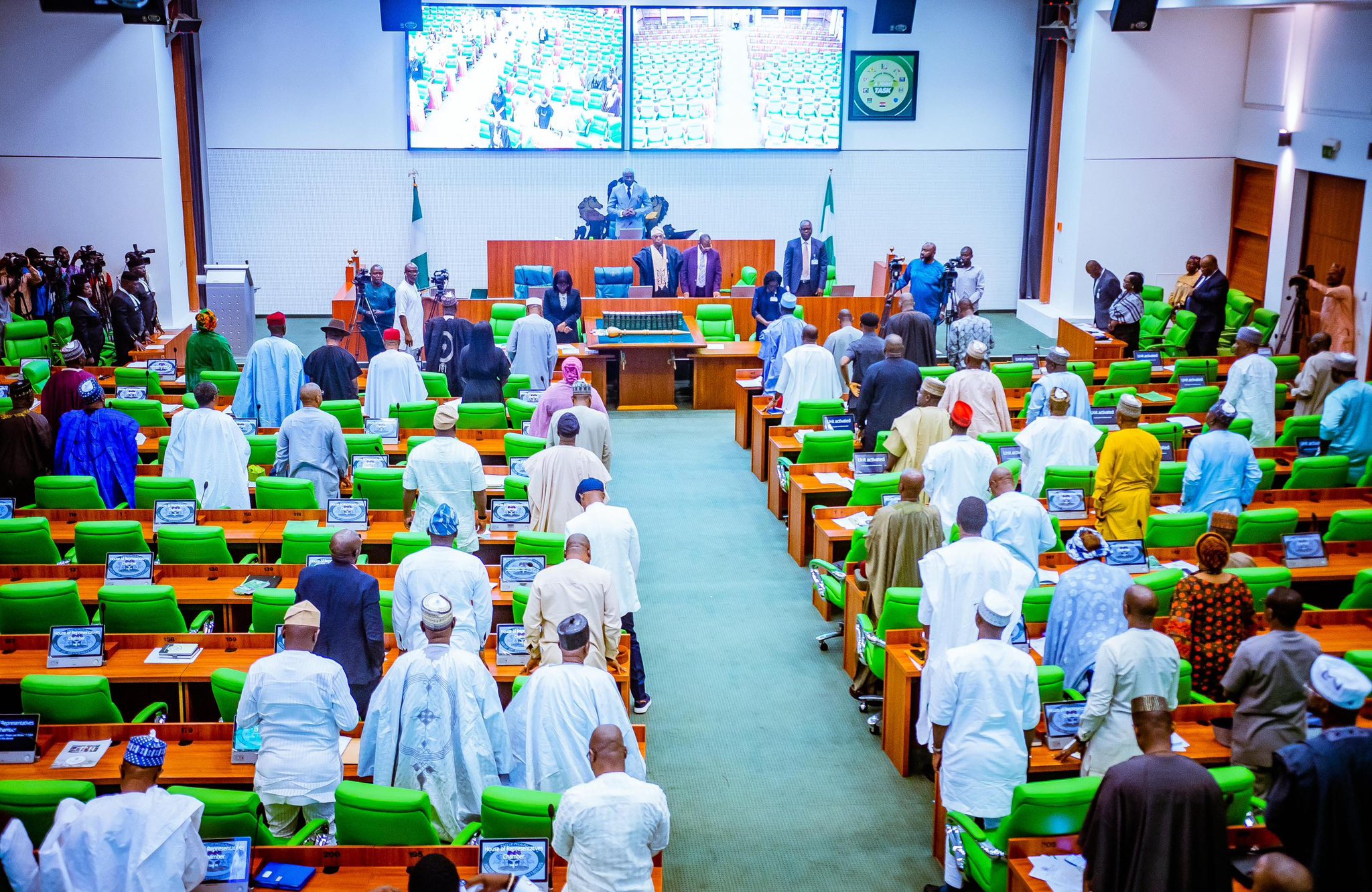
Nigeria’s push toward food security is gaining renewed momentum as the Bank of Agriculture (BoA) seeks a strategic partnership with the House of Representatives to drive large-scale agricultural mechanisation across the country’s 360 federal constituencies.
Presented during plenary in Abuja by BoA Managing Director, Ayo Sotinriade, the proposal reflects a shift from fragmented subsistence farming toward a more climate-smart, productivity-driven agricultural system. At its core is a decentralised model that would see tractors deployed nationwide, backed by service hubs designed to improve efficiency, reduce post-harvest losses, and strengthen rural livelihoods.
Under the plan, lawmakers would co-finance 60 per cent of the cost of tractors for their constituencies, while BoA would provide technical and operational support. Each tractor is projected to cultivate up to 600 hectares annually, an intervention that could significantly reduce land underutilisation and improve yields in a country where food demand continues to outpace supply.
Beyond mechanisation, the initiative embeds sustainability-focused services within each constituency hub. These include access to climate-resilient inputs, irrigation systems to reduce dependence on erratic rainfall, aggregation services to minimise waste, and extension support aimed at improving yields to over two tonnes per hectare. The inclusion of tractor booking systems also signals an effort to democratise access to mechanisation for smallholder farmers, who often lack the capital for such equipment.
The proposal aligns with broader federal efforts to strengthen agricultural resilience and financing. The government recently approved a N250 billion facility for BoA to provide single-digit interest loans to farmers, a move expected to ease financing constraints and accelerate adoption of improved farming practices.
Risk management is also receiving increased attention. The Nigerian Agricultural Insurance Corporation (NAIC) has reportedly extended insurance coverage worth N700 billion to over 199,000 farmers in the past two years, helping to cushion climate and market shocks. Similarly, regulatory and quality assurance support from agencies like the Nigeria Agricultural Quarantine Service (NAQS) is strengthening value chains and export readiness.
On the financing front, BoA’s collaboration with Afreximbank has unlocked a $1 billion intervention fund aimed at improving smallholder productivity and market access. This complements the Federal Government’s National Food Security Fund and underscores a growing emphasis on integrated, multi-stakeholder solutions to Nigeria’s food crisis.
From a sustainability perspective, the proposed mechanisation drive could deliver multiple co-benefits: reducing manual labour burdens, improving land-use efficiency, enhancing rural incomes, and stabilising food supply chains. However, its long-term success will depend on equitable access, maintenance systems for machinery, and safeguards to prevent land degradation.
If effectively implemented, the BoA–legislature partnership could mark a turning point in Nigeria’s agricultural transition, linking policy, finance, and technology to build a more resilient and food-secure future.


