




In Nigeria’s developing agricultural transition, Ifeoluwa Olatayo is demonstrating how innovation and opportunity can transform both farming and livelihoods. As the founder of Soupah Farm-en-Market Limited, she is helping smallholder farmers adapt to climate change while improving food production and market access. By combining hydroponics technology with solar-powered irrigation and fair market systems, Olatayo’s work reflects the immense power of women to drive sustainable change when given the opportunity.
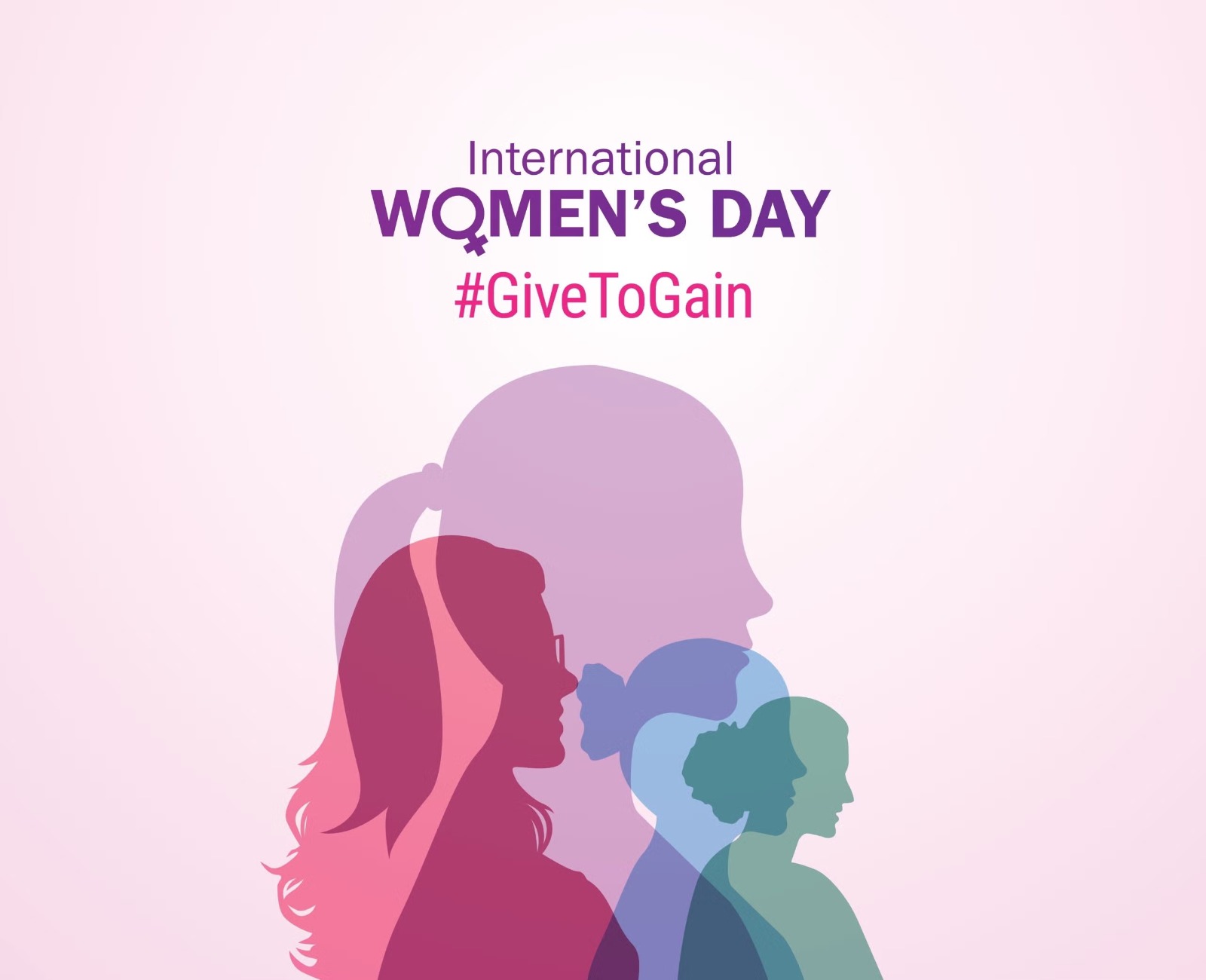
This spirit of empowerment sits at the heart of International Women’s Day 2026, celebrated globally on March 8. This year’s theme, “Give to Gain,” underscores a simple but powerful idea: investing in women generates lasting benefits for economies, communities, and the planet.
Through Soupah Farm-en-Market, Olatayo works directly with rural farmers, connecting their produce to urban markets through a business-to-business marketplace that eliminates exploitative middlemen. The platform ensures farmers receive fair pay while gaining reliable access to larger markets. Beyond market access, the company also equips farmers with climate-resilient inputs and infrastructure such as improved seeds, solar-powered irrigation systems, and agronomic support. These innovations have boosted farmers’ yields by as much as 90 percent, helping them remain productive despite climate pressures.
The impact has been remarkable. The initiative has facilitated the movement of more than 9,846 tons of food, preventing significant post-harvest losses and reducing methane emissions by over 1,000 tons. In a world grappling with both food insecurity and environmental degradation, such solutions illustrate how women-led innovation can address multiple challenges at once.
Stories like Olatayo’s highlight the growing influence of women in sustainability and climate action. Across the world, women are driving initiatives in renewable energy, climate-smart agriculture, waste management, and environmental conservation. Yet their contributions often remain under-recognized, even though their work sits at the intersection of economic development and environmental protection.
According to UN Women, empowering women in environmental decision-making significantly strengthens climate resilience and community development. Women, particularly in developing regions, are often responsible for managing food, water, and energy resources within households and communities. As a result, they experience the immediate impacts of environmental degradation but are also uniquely positioned to lead practical solutions.
Research from the Food and Agriculture Organization further shows that if women farmers had the same access to productive resources as men, agricultural output in developing countries could increase substantially, potentially reducing global hunger by millions.
Despite this potential, barriers remain. Women continue to face limited access to land ownership, financing, technology, and leadership opportunities within climate and sustainability sectors. Addressing these inequalities is essential not only for gender justice but also for achieving global climate and development goals.
The theme “Give to Gain” therefore serves as both a reminder and a call to action. When societies invest in women, through education, financing, technology, and leadership opportunities, the gains extend far beyond individuals. Communities become more resilient, economies grow stronger, and environmental solutions become more inclusive and sustainable.
In Nigeria and across Africa, women like Ifeoluwa Olatayo are proving that inclusive innovation can change the narrative. By blending technology, sustainability, and market access, they are building systems that empower farmers, protect the environment, and strengthen food security.
As the world marks International Women’s Day 2026, their work reinforces a powerful message: giving women the tools and opportunities to lead is not just an act of fairness, it is one of the most effective strategies for building a sustainable future. When women rise, the world gains.


