




In every nation of the world, young people play a vital role in determining the future of that nation. Without mincing words, they are the leaders of tomorrow. Now, imagine them being neglected, what do you think would be the ripple effect?
For many young Nigerians, growing up comes with a difficult question: what next? After years of schooling, the search for a job can be frustrating. For those who want to start a business, limited access to finance, mentorship, and the right skills can make the journey even harder. They have ideas, energy and ambition, but ambition alone is not always enough.
According to the State of the Nigerian Youth Report 2025, presented by Jonathan Abakpa, during the Nigerian Youth Dialogue, organised by the House of Representatives Committee on Youth in Parliament in Abuja, more than 1.7 million graduates enter the labour market annually. The report estimates that nearly 80 million young people, representing about 53 per cent of Nigeria’s youth population, are unemployed.
In light of this, Nestlé Nigeria has priotised youth development as an important part of its community investment and shared value efforts. Through its Technical Training Programme, the company has empowered young people with practical opportunities to learn, earn, develop their abilities and become active contributors to the economy.
Building Skills For A Changing World Of Work
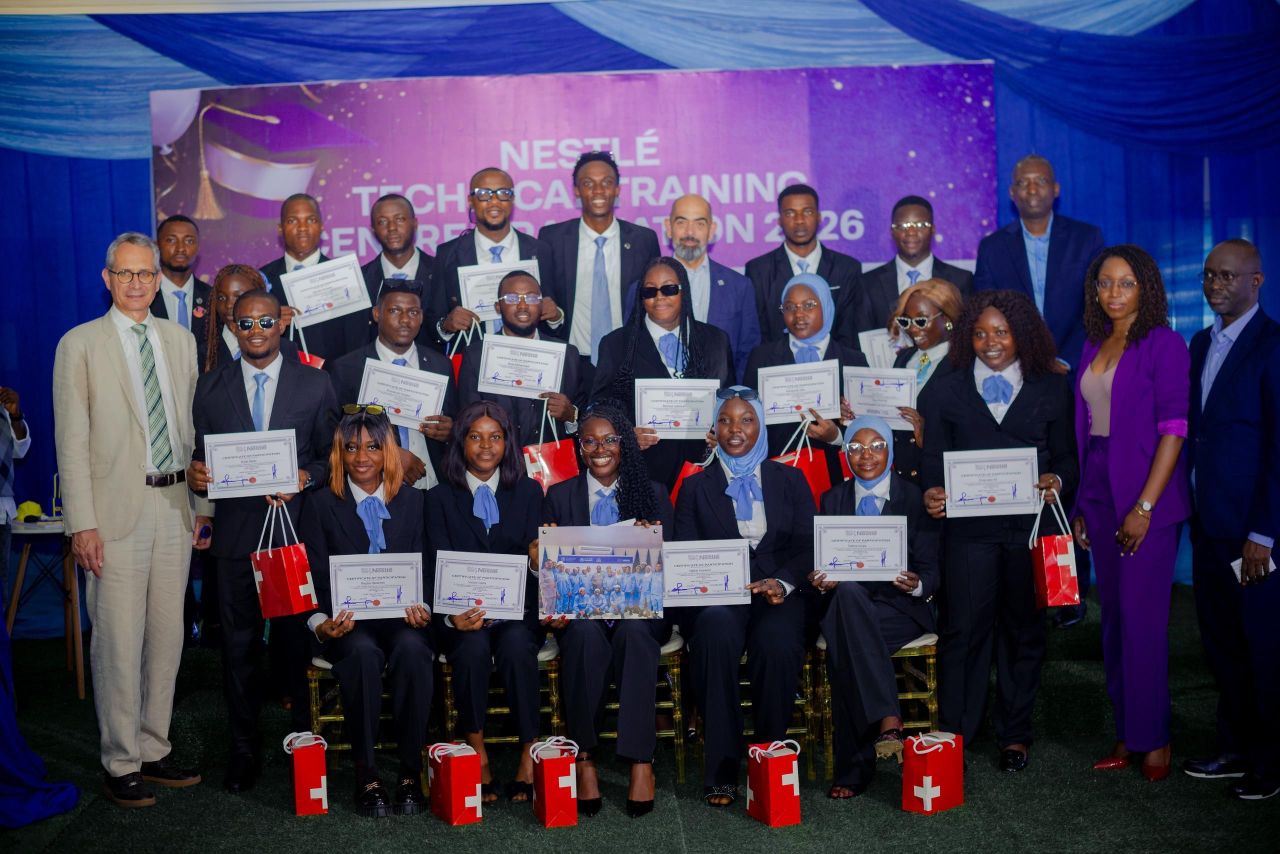
Established in 2011 at its Agbara factory in Ogun State, the programme has graduated 289 young Nigerians, equipping them with hands-on technical and vocational skills across its three locations in Agbara (Ogun State), Flowergate (Ogun State), and Abaji (Federal Capital Territory), providing young Nigerians with practical and theoretical training in engineering and manufacturing.
With an investment of over N6 billion, the programme which offers an 18-month training curriculum, provides comprehensive instruction in food technology, engineering, and manufacturing operations, equipping trainees with the technical expertise required to thrive in today’s industrial environment, and prepares participants for internationally recognised City & Guilds of London Technicians’ Certification.
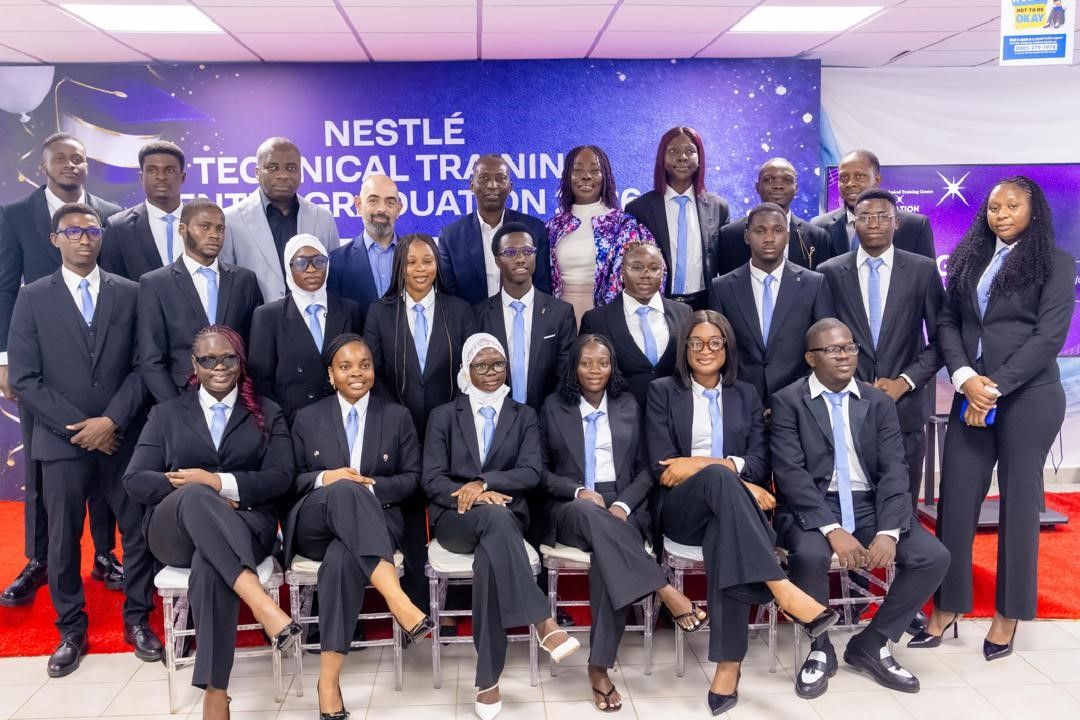
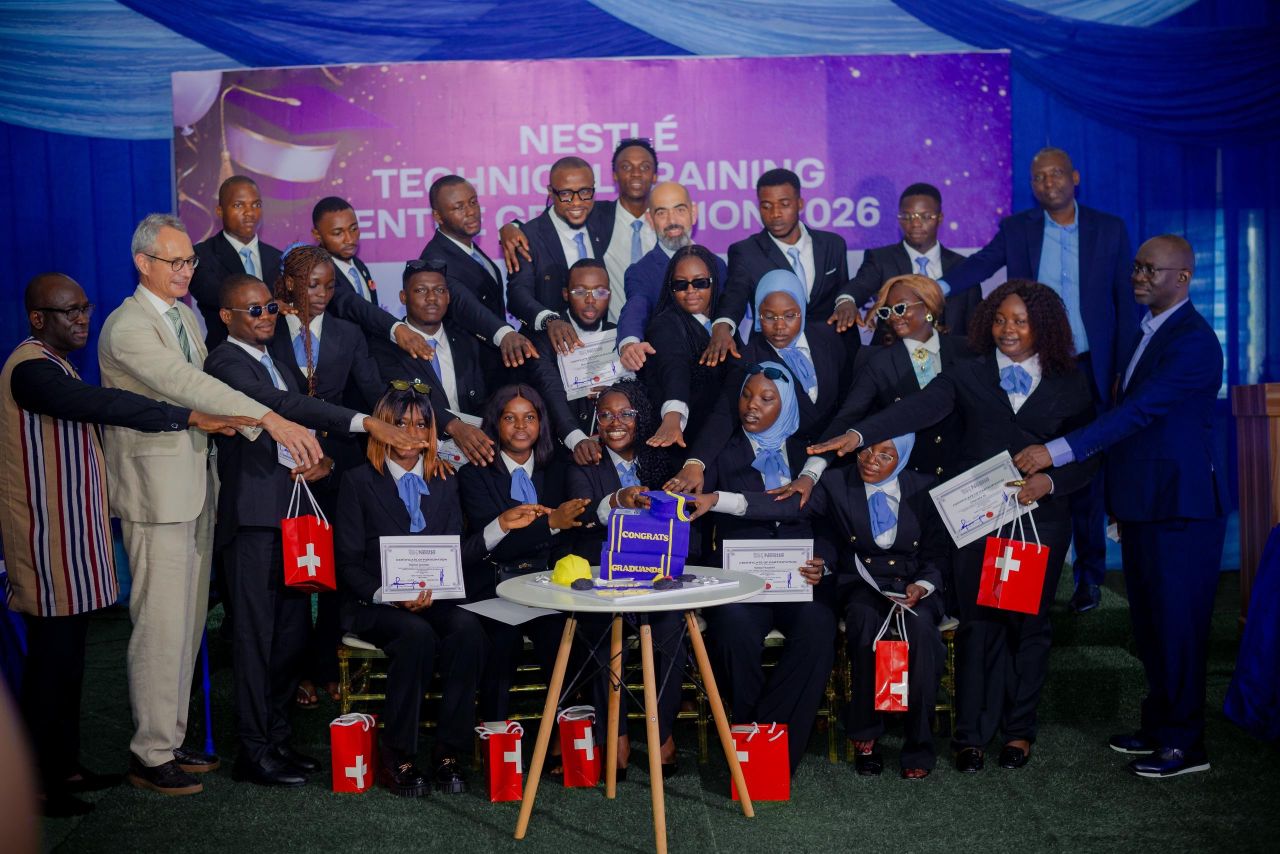
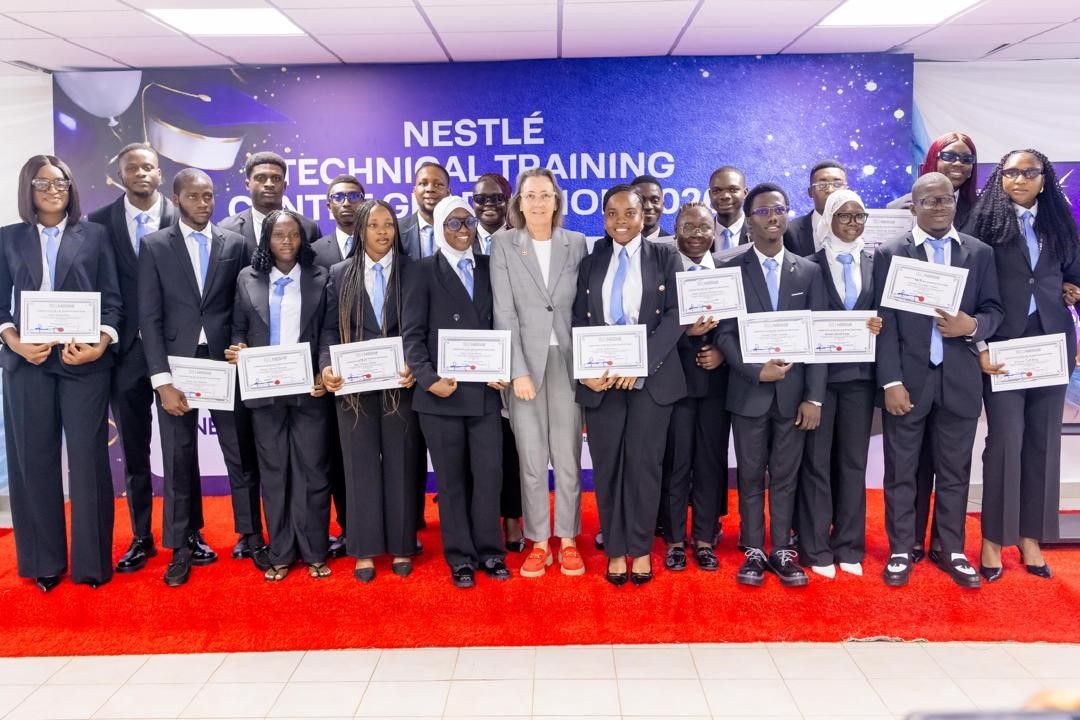
In April 2026, while celebrating 15 years of impact, Nestlé Nigeria graduated 20 young trainees from its Flowergate Technical Training Centre. A similar graduation ceremony followed at the Abaji centre in May, targeting 10 million youths worldwide by 2030.
Speaking at the graduation, the Country Human Resource Manager, Shakiru Lawal, said that 98 per cent of its technical training graduates have secured employment within Nestlé Nigeria.
“In Nigeria, this commitment comes to life through the Nestlé Technical Training Centres. With an impressive 98 per cent of graduates moving into employment within Nestlé, the programme has become a key talent pipeline for the business. Most importantly, it reflects our purpose of creating shared value through industry knowledge, practical skills, and meaningful job opportunities,” he said.
Beneficiaries Words
“School na scam”, a popular Nigerian Pidgin slang, meaning “going to school is a waste of time”, is something Nestlé Nigeria definitely cannot relate to, because, for the graduates, the value of the programme goes beyond receiving a certificate. It gives them practical knowledge, workplace experience and an opportunity to build careers in a field where skilled professionals are needed.

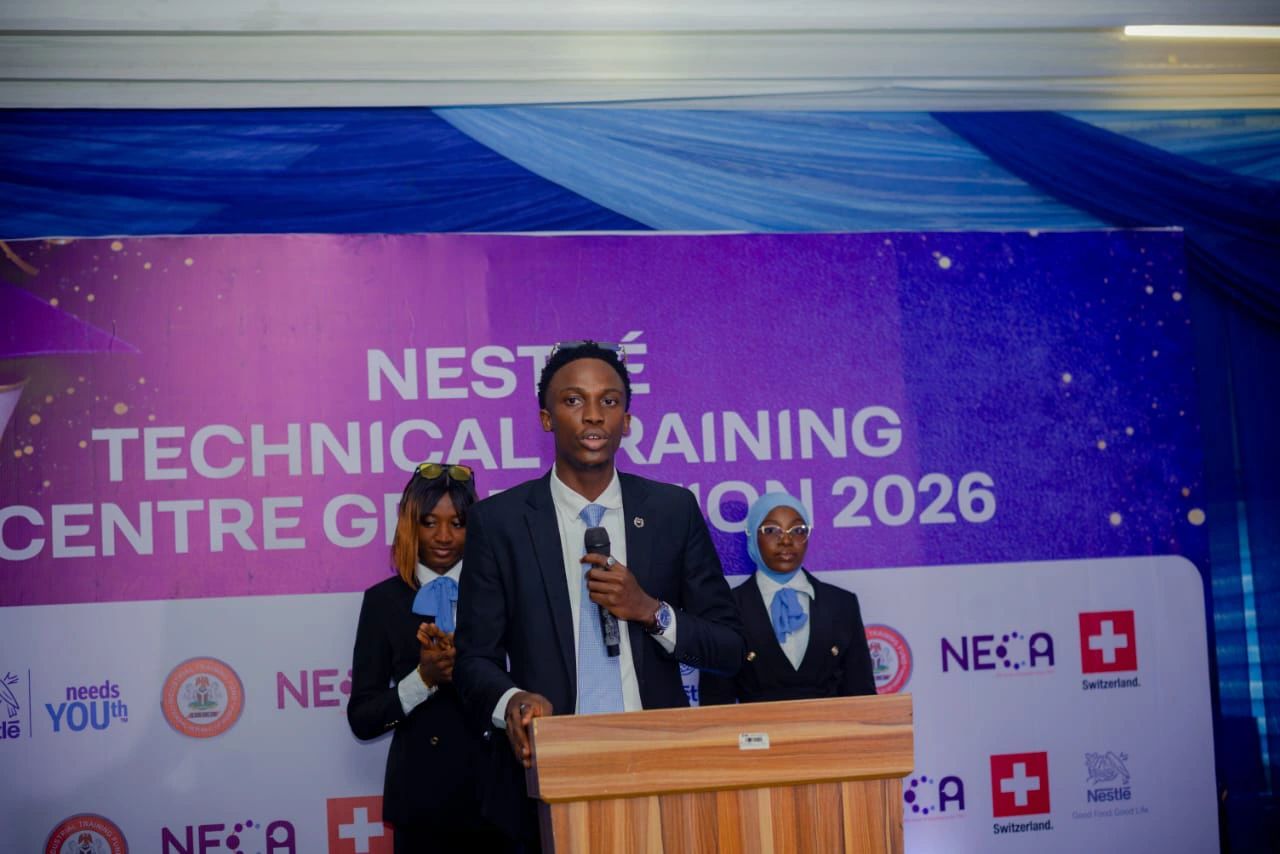
Samuel Oladokun, one of the graduating student from the Flowergate Technical Training Centre, spoke on behalf of his fellow graduates, sharing a powerful testimony of the programme’s impact.
He said the training has gone far beyond building technical skills to shaping discipline, strengthened confidence, and prepared the beneficiaries in a real and practical way to perform in demanding industrial environments.
“As graduates, we are leaving this Centre not only with technical competence, but also with a stronger sense of responsibility, teamwork, and professionalism. We are grateful for the opportunity we have been given, and we step forward with confidence, ready to contribute meaningfully, grow in our careers, and make a positive impact wherever we find ourselves,” he said.
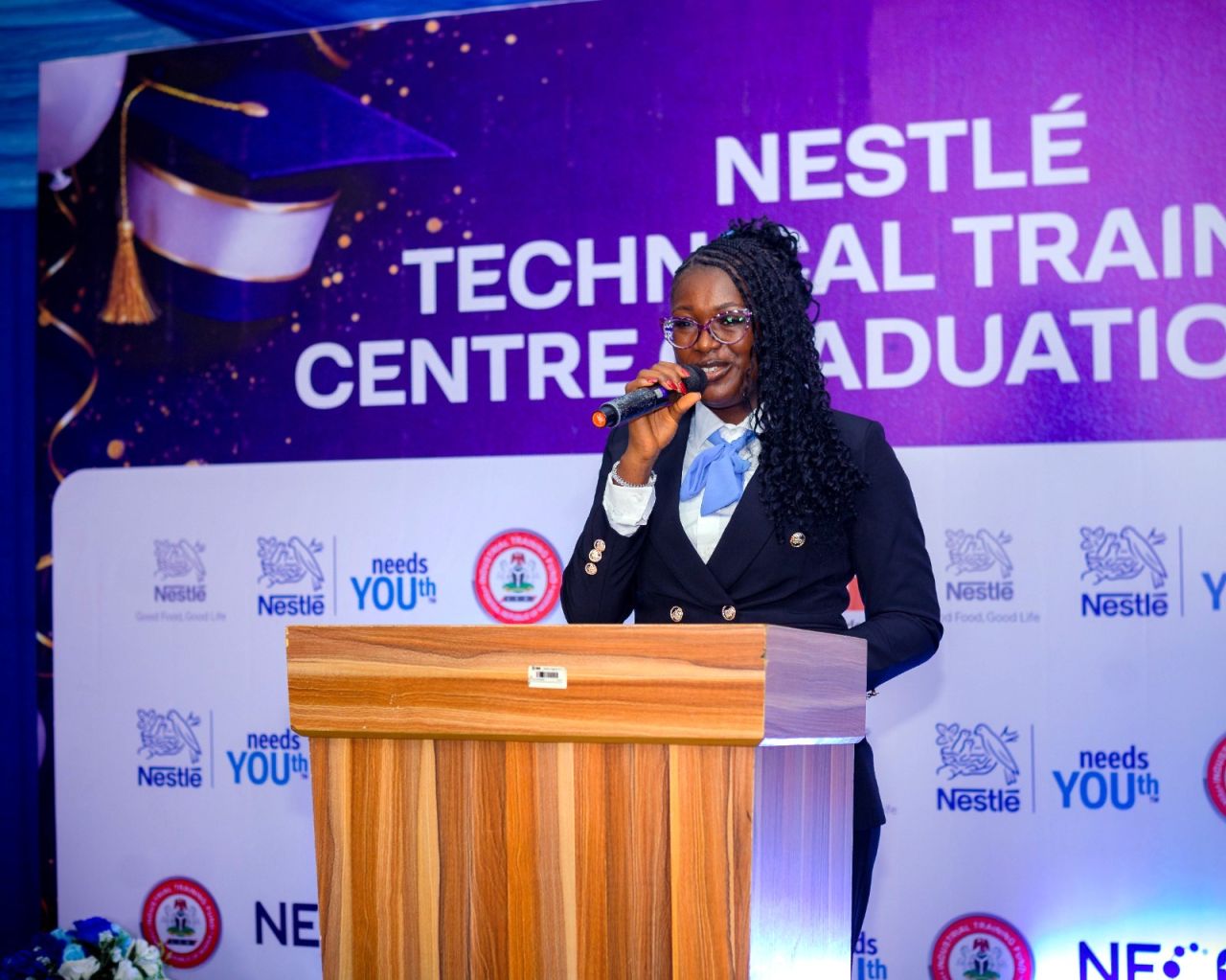
Oluchi Success Kingsley, top graduating student from the Abaji Technical Training Centre, said she entered the Nestlé Technical Training Programme with a clear vision: to be the best. She achieved that goal by emerging as the top graduating student with 32 distinctions.
In a post on her LinkedIn page, Oluchi attributed her achievement to consistency, sacrifice, late-night studies and the support of her family, friends and the Nestlé Nigeria team.
“While many have kindly said they “weren’t surprised” by this result, the truth is that “Best Student” isn’t a title you simply inherit. It is a rank earned through sacrifices that don’t always make it into the congratulatory wishes—the relentless consistency, the late-night studies, the prayers, the tears, and the commitment to carry others along even when the load was heavy. I am deeply grateful to God for the strength, to the Nestlé Nigeria team for the world-class training, to my family for their unwavering support, and to my truest friends for believing in my light.”, she said.
Innocent Progress, graduating from the Abaji Technical Training Centre, saw the training as more than earning an internationally recognised certificate. It was a journey of personal and professional transformation.
In a graduation post on his LinkedIn page, Innocent said the programme equipped him with practical knowledge in industrial automation, process flows and engineering, alongside a City & Guilds certificate. He also expressed gratitude to Nestlé’s management, instructors and partners, including the Industrial Training Fund (ITF), the Nigeria Employers’ Consultative Association (NECA) and the Embassy of Switzerland in Nigeria.
In a separate response to a LinkedIn post by Nestlé Nigeria’s Country Human Resource Manager, Shakiru Lawal, Innocent recalled arriving at the Abaji centre as an unconfident and nervous young man.
In his words, “I remember walking for the first time, through the gates of Nestlé Abaji, as an unconfident, nervous young man. But today, the narrative has been changed. I am more confident, equipped with practical skills in industrial automation and Mechatronics, soft skills, and to crown it, an international certificate “London City & Guilds”. From the moment training began, the environment felt different, not the typical “sit, listen, and go home” style. But practical, hands-on, industry-tested learning that forces you to think, build, troubleshoot, and improve”, he said.
Reflecting on the 18-month experience, he wrote: “We didn’t just build systems, we built ourselves, and that is our greatest achievement.”

Ebere Emeh, one of the 2026 graduates of the Nestlé Technical Training Programme at Flowergate, described the 18-month experience as a period of rigorous hands-on training, discipline and personal growth.
In a response to a LinkedIn post by Nestlé Nigeria’s Country Human Resource Manager, Shakiru Lawal, Ebere celebrated completing City & Guilds Levels 3–5, describing it as a milestone she deeply cherished.
Expressing gratitude to Nestlé for investing in the graduates’ development, she added: “The future is bright and we are ready.”
What This Means For Nigerian Youths
Nigeria needs skilled technicians to support manufacturing, maintenance, engineering and industrial growth. When young people can access relevant training and a route into employment, they gain a better chance to build careers, earn an income and contribute to their communities.
The benefits can extend beyond the individual. Employers gain access to trained workers, while families and communities may benefit when young people secure stable work and develop professionally.
Nestlé’s experience also shows why industry partnerships matter. The programme works with organisations including the Nigeria Employers’ Consultative Association, the Industrial Training Fund and the Swiss Embassy. Such collaboration can help align training with industry needs and strengthen the learning available to young people.
Building The Next 15 Years
As Nestlé Nigeria looks beyond its 15-year milestone, the next challenge is to sustain the programme, maintain the quality of training and make its impact measurable over time.
Future success should be seen not only in the number of graduates but also in their career progression, the skills they bring to industry and the opportunities they help create for others.
For Samuel Oladokun, Kingsley Oluchi Success, Innocent Progress, Ebere Emeh and their fellow graduates, their journey reflects a wider truth about youth empowerment: opportunity becomes meaningful when young people gain the skills, experience and support to put their abilities to work.
Fifteen years after the first centre opened in Agbara, Nestlé Nigeria’s technical training initiative offers one example of how investment in young people can help connect learning with employment. Its lasting value will be measured by what graduates go on to achieve, and by how many more young Nigerians can access similar opportunities in the years ahead.


