




The Universal Basic Education Commission (UBEC) and the Institute for Greening Education in Nigeria (IGEN) have called for climate change education, environmental sustainability and green skills to be built into Nigeria’s school curriculum.
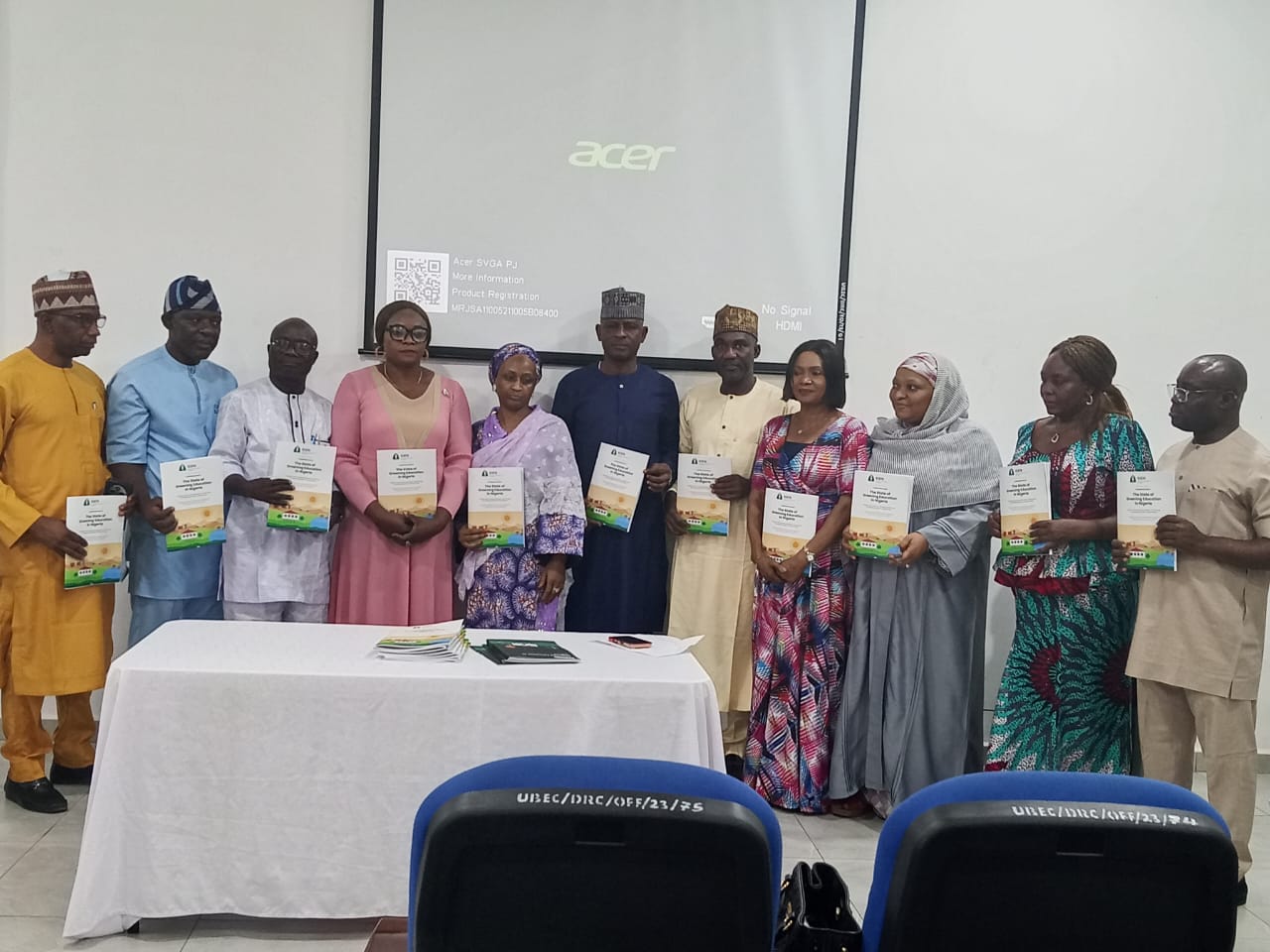
The call came in Abuja at a Technical Working Group Meeting on the Greening Schools and Climate Change Education Intervention (GSCCEI), where IGEN launched the State of Greening Education in Nigeria Report and a policy brief. The documents are meant to give policymakers an evidence base for stronger policies, institutional collaboration, teacher development and practical climate action in schools.
Speaking for UBEC, Dr Lydia Gbagi said the commission is committed to turning schools into environmentally responsible, climate-resilient learning environments. Learners, she said, need values and practical skills as well as academic knowledge.
She reported that 33 states, including the Federal Capital Territory, have benefited from state-level capacity training delivered through State Universal Basic Education Boards. It covered climate change education, building sustainability into teaching, setting up Climate Change and Green Champions Clubs, practical greening activities, and monitoring and reporting.
UBEC has also produced implementation guidelines, a handbook for the clubs and guidelines for green schools interventions, and developed the National Greening Schools Programme around seven strategic pillars. The training has produced state-level master trainers who are to extend it to local government areas and schools. UBEC says the work fits the education reform agenda, the Climate Change Act 2021, Nigeria’s Nationally Determined Contributions and UNESCO’s Greening Education Partnership.
IGEN’s Executive Secretary, Mr Unyime Robinson, called the launch a milestone in using education to tackle climate change and environmental degradation. Greening education, he said, goes beyond teaching students about climate change. It means building sustainability into policy, curricula, school infrastructure, management and teacher development.
The report, he explained, examines the current state of greening education, identifies progress and gaps, and recommends ways to strengthen policy, coordination, implementation and accountability. Its impact, he stressed, depends on whether the recommendations become action.
He called for closer collaboration among federal and state governments, education agencies, development partners, civil society and the private sector. He also urged more investment in teacher training, climate-smart school infrastructure and green skills to prepare young Nigerians for the green economy.
Robinson thanked the African Centre for Environment, Agriculture and Rural Development, Green Schools International Foundation and other partners for helping produce the report.


