




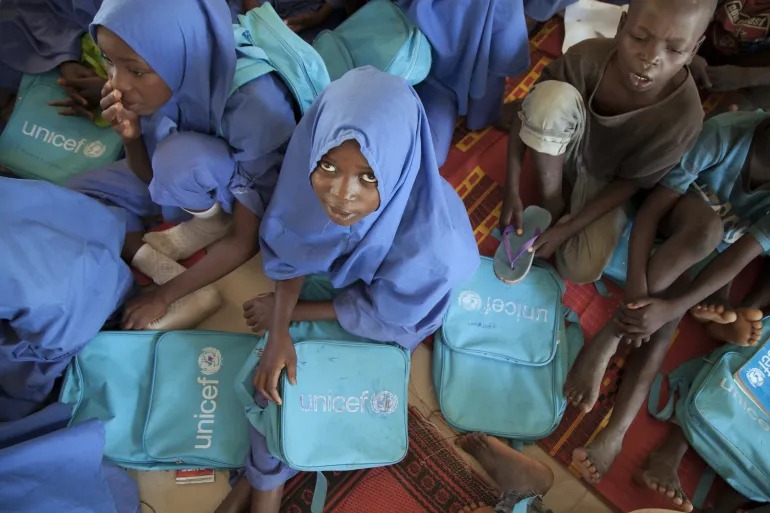
Katsina State has joined a landmark climate education initiative under the Africa Reinsurance Corporation, United Nations Children’s Fund (UNICEF) Climate Change Education Partnership, reinforcing Nigeria’s efforts to equip young people with the skills needed to navigate growing environmental risks.
The partnership’s inception meeting, held recently at Tahir Guest Palace in Kano, marked the start of a five-year programme aimed at embedding climate-responsive learning within education systems across selected African states. Katsina was identified as a priority state for integrating climate content into curricula and expanding digital access for learners, particularly in underserved communities.
A representative of the Katsina State Government said the state’s participation “underscores the government’s commitment to advancing climate-responsive education,” noting the urgency of preparing students for the social, economic and environmental impacts of climate change.
Central to the initiative is the use of digital platforms such as the Nigeria Learning Passport and Youth Opportunity and Marketplace in Africa (YOMA), which are designed to broaden access to flexible, inclusive learning opportunities. By leveraging technology, the partnership seeks to reach young people who are often excluded from conventional education pathways, while strengthening climate literacy and practical skills.
Beyond access, the meeting also focused on developing clear implementation timelines and monitoring frameworks to track progress and impact over the life of the programme. Stakeholders emphasised the importance of aligning education reforms with national climate priorities and fostering collaboration across government, development partners and the private sector.
Katsina’s involvement highlights a growing recognition of sustainability education as a policy priority and a critical tool for youth empowerment. By linking climate action with education reform, the Africa Re–UNICEF partnership offers a multi-sectoral model for building resilience and supporting a just transition for the next generation.


