




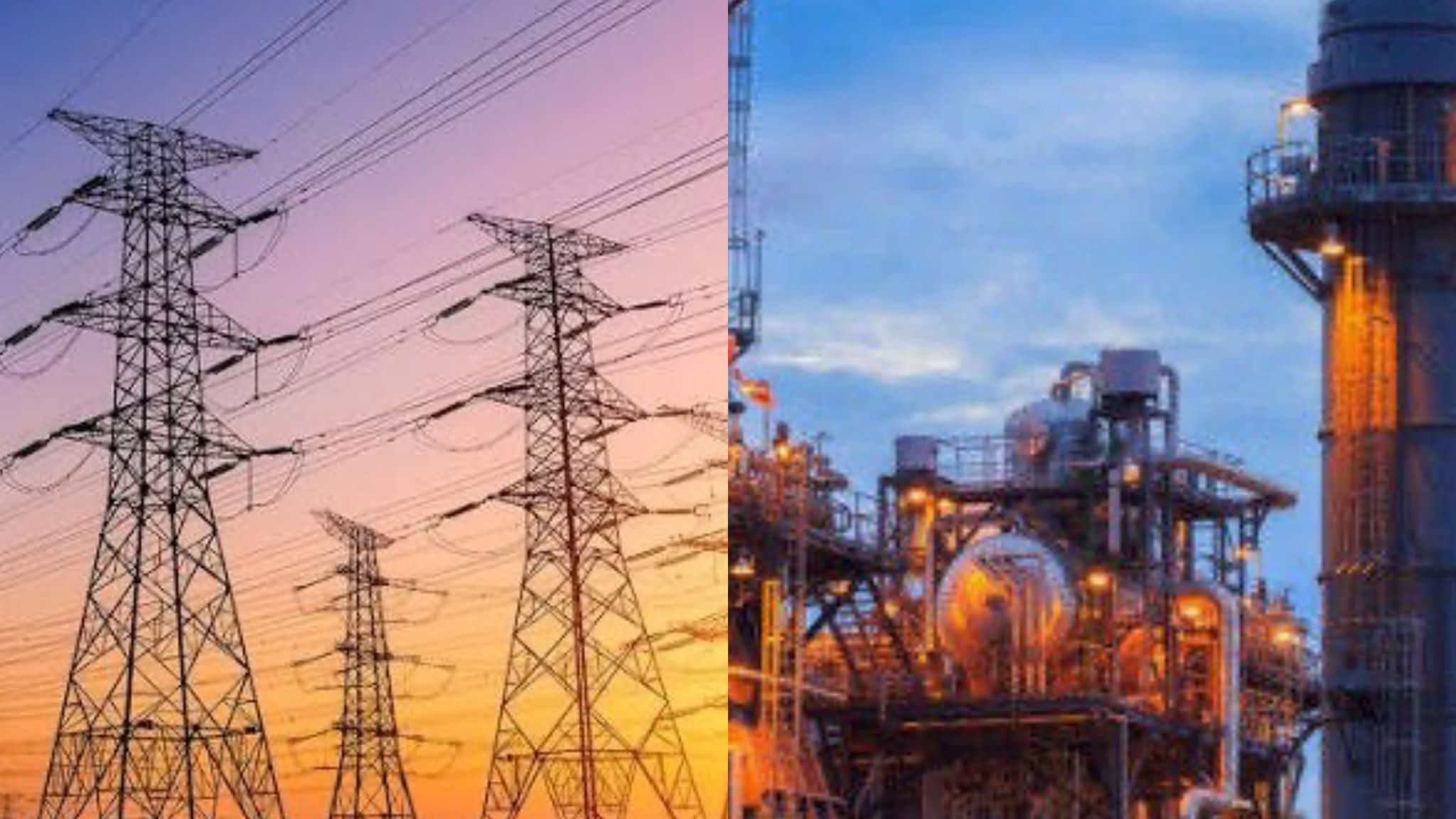
Electricity distribution company Ikeja Electric has attributed the latest wave of power outages across Lagos to a nationwide drop in electricity generation linked to insufficient gas supply to thermal power plants.
The company’s Head of Corporate Communications, Kingsley Okotie, disclosed this in an interview recently, noting that the shortfall has significantly reduced energy available on the national grid and, by extension, allocations to distribution companies.
He explained that Nigeria’s heavy reliance on gas-fired thermal plants makes electricity supply vulnerable to disruptions in gas availability, a recurring issue that continues to affect grid stability and energy security.
“The ongoing reduction in electricity supply is largely due to a nationwide drop in power generation, caused by limited gas supply to thermal power plants,” Okotie said. “This has significantly reduced the energy available on the national grid and, consequently, the allocation to Ikeja Electric and other distribution companies.”
According to him, the development has resulted in intermittent outages and load shedding across the company’s network, affecting households and businesses in Lagos. He, however, assured customers of efforts to ensure equitable distribution of the limited electricity available.
“The management regrets the inconvenience caused and appreciates the patience and understanding of our customers during this period. We remain committed to distributing the available power as efficiently and equitably as possible,” he added.
The situation has further strained livelihoods and business operations in Lagos, Africa’s largest city, where unreliable grid power continues to drive dependence on fossil fuel-powered generators, with implications for both economic productivity and environmental sustainability.
A frozen food trader, Mrs. Kemi Adebayo, said the worsening outages have forced her to rely almost entirely on generators to preserve perishable goods, increasing her operating costs and reducing profit margins.
“I run my generator more than I use public power. If there is no light, my goods spoil. If I use fuel, I lose profit. Either way, I am losing,” she said.
Similarly, a welder, Mr. Sani Ibrahim, described the situation as unsustainable, noting that high diesel costs now exceed spending on raw materials and affect service delivery timelines.
“We spend more on diesel than on raw materials. Sometimes, customers leave because we cannot deliver on time,” he said.
A civil servant, Mrs. Roseline George, also highlighted the social impact of erratic supply amid rising temperatures, saying households are increasingly dependent on alternative cooling options such as rechargeable fans.
Energy analysts warn that persistent structural challenges, including gas supply constraints, recurring grid disturbances and mounting sector debts, continue to undermine Nigeria’s power sector performance. They note that the country’s overdependence on thermal generation exposes it to supply shocks, underscoring the need to accelerate investment in renewable energy and diversify the energy mix.
They further caution that continued instability in electricity supply could constrain economic growth, increase carbon emissions from generator use and slow progress toward sustainable development targets if not urgently addressed.


