




Ghana is deepening its preparedness to participate in international carbon markets, training a new cadre of professionals to develop, register and trade high-quality carbon credits as global demand accelerates.
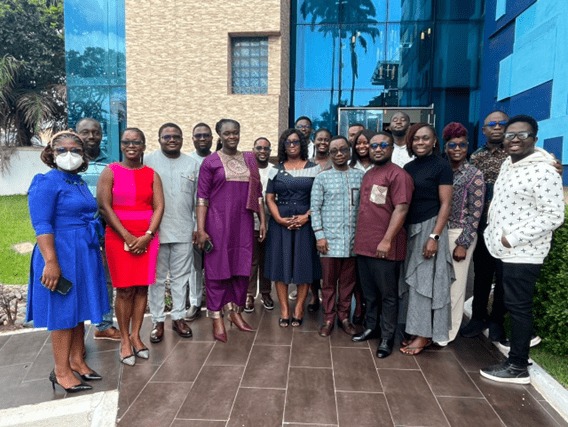
The country this week launched the second edition of a specialised carbon market master class, bringing together nearly 50 participants from Ghana and Nigeria. The programme is designed to strengthen national and institutional capacity by equipping practitioners with the technical skills needed to operate across the carbon value chain.
Speaking at the opening of the training held recently, the Chief Executive of the Environmental Protection Authority (EPA), Prof. Nana Ama Browne Klutse, said the rapid growth of global carbon markets presents a strategic opportunity for Ghana to mobilise new revenue streams, attract clean energy technologies and support livelihoods, particularly for vulnerable communities.
“The carbon market is trending worldwide, and Ghana has a huge carbon credit potential we can trade for finance and renewable energy technologies that will benefit the country and its citizens,” she said.
Ghana has already taken concrete steps to position itself as a credible market participant. The country has established a dedicated Carbon Market Office and has completed its first transfer of Authorised Emission Reductions known as Internationally Transferred Mitigation Outcomes (ITMOs), to Switzerland under Article 6 of the Paris Agreement.
The training is being led by Dr. Daniel Tutu Benefoh, Head of the Ghana Carbon Market Office, who is guiding participants through the fundamentals of compliance and voluntary carbon markets, Ghana’s emerging governance architecture, and the technical requirements for generating tradable credits under Article 6.
Dr. Benefoh emphasised that beyond policy frameworks, effective participation in carbon markets depends heavily on human capacity. Key skills include measurement, reporting and verification (MRV), project design, registry systems, and contract negotiation.
“Carbon markets succeed or fail on the strength of the people running them,” he said, noting that Ghana has made progress in establishing systems to authorise and track carbon transactions, an important safeguard for national interests and a signal of credibility to investors.
He added that the master class aims to close long-standing knowledge gaps that have constrained African participation in global carbon markets, despite the continent’s vast mitigation potential in sectors such as forestry, clean cooking, renewable energy and waste management.
“Building local expertise will help ensure that carbon projects deliver real emissions reductions, generate revenue for communities and align with national development priorities,” Dr. Benefoh said. “Our ultimate goal is to help build an African carbon market of high integrity.”
Describing carbon credits as an “intangible commodity that thrives on perception and credibility,” he stressed the importance of meeting the highest international standards.
Ghana’s approach is already drawing regional interest. Delegations from Tanzania, Malawi, Uganda and Namibia have engaged with the Carbon Market Office as they seek to learn from Ghana’s evolving carbon market framework, a sign of the country’s growing role as a continental reference point in climate finance and carbon trading.


