




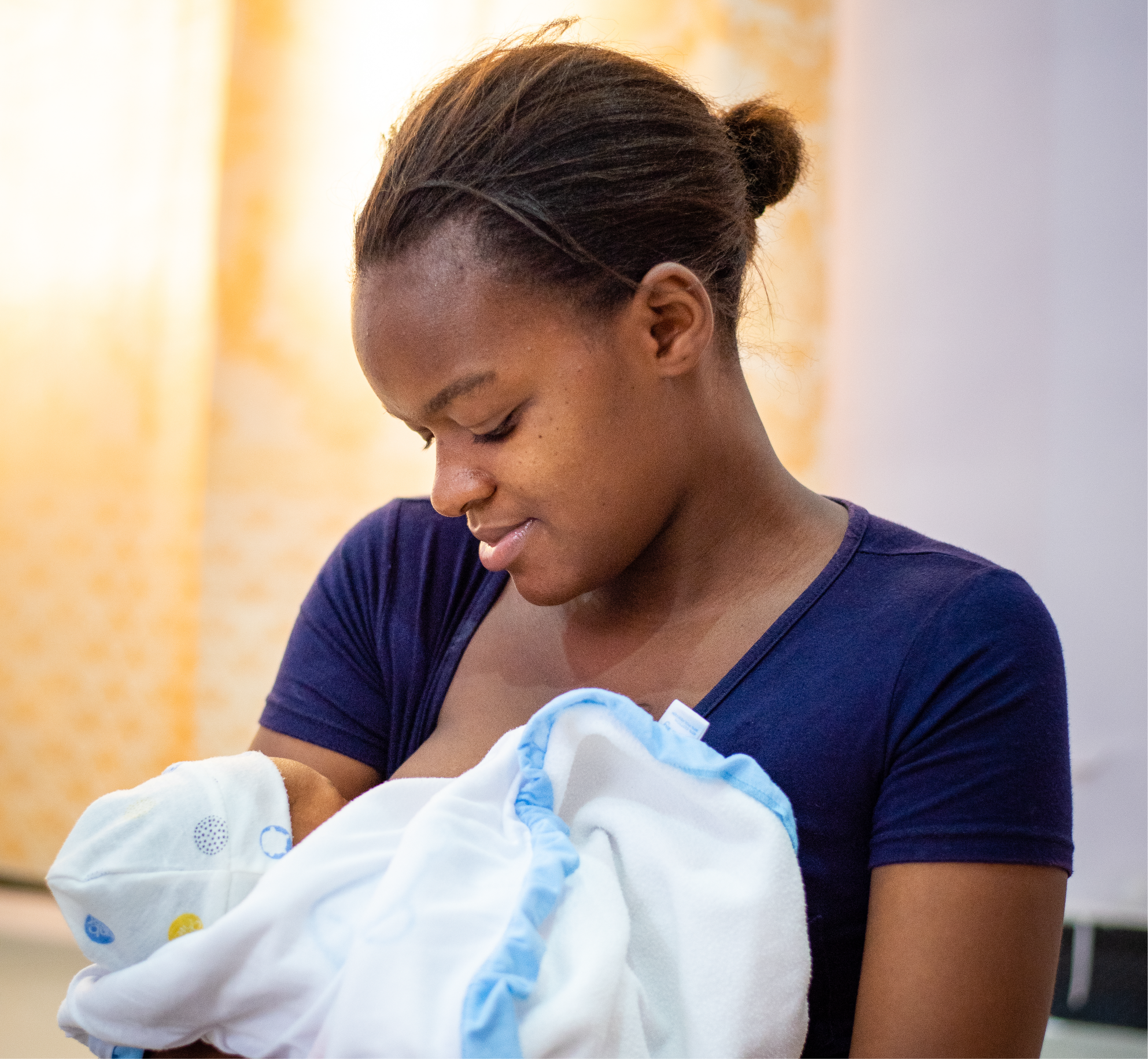
As the world marks World Breastfeeding Week 2026, the United Nations International Children’s Fund(UNICEF) Ghana has called for stronger legal protections, increased investments, and sustainable support systems to help mothers breastfeed successfully, describing breastfeeding as one of the most effective interventions for improving child survival, development, and long-term health.
The annual campaign, observed during the first week of August, is being commemorated this year under the theme, “Breastfeeding for a Sustainable Start in Life: Strengthen What Works.,” which emphasizes the need for long-term support through effective laws, quality healthcare, family-friendly workplace policies, and stronger community engagement.
UNICEF Ghana said sustainable support systems are essential to ensure mothers receive the assistance they need throughout their breastfeeding journey, whether at home, in healthcare facilities, or in the workplace.
The agency reiterated recommendations by the World Health Organization (WHO) and UNICEF that babies should be breastfed within one hour of birth, exclusively breastfed for the first six months of life without additional food or water, and continue breastfeeding alongside nutritious complementary foods until at least two years of age.
Despite progress, breastfeeding practices in Ghana remain below global recommendations. UNICEF noted that exclusive breastfeeding among infants under six months has remained largely unchanged at 52.6% over the past two decades.
The organisation also revealed that 41.8% of newborns do not begin breastfeeding within the first hour after birth, with particularly high delays recorded in the Greater Accra, Ahafo, and Eastern regions, where more than half of babies miss early breastfeeding initiation.
Nationally, the median duration of exclusive breastfeeding stands at 2.9 months, significantly below the recommended six months. Regional disparities are also evident, ranging from only one month in the Western North Region to 4.9 months in the Savannah Region.
UNICEF highlighted Ghana’s Legislative Instrument (L.I.) 1667 as a major milestone in protecting breastfeeding. The law regulates the marketing of breastmilk substitutes by prohibiting the promotion, advertising, and distribution of infant formula, feeding bottles, teats, and pacifiers within health facilities, while also banning the provision of free formula samples to healthcare workers.
The legislation further supports exclusive breastfeeding during the first six months and continued breastfeeding with complementary feeding up to two years and beyond.
To improve compliance, Ghana’s Food and Drug Authority (FDA) has introduced a QR code reporting system that enables members of the public to report violations of the regulations, strengthening enforcement and public accountability.
UNICEF Ghana said it continues to work closely with the Government of Ghana to strengthen breastfeeding support through improved counselling services delivered by trained healthcare professionals, advocacy for breastfeeding-friendly workplace policies, and community-based support networks that assist mothers throughout the breastfeeding period.
According to the organisation, breastfeeding provides significant health benefits for mothers by reducing the risk of breast and ovarian cancers, while also generating substantial economic returns. It estimates that every US$1 invested in breastfeeding support yields approximately US$35 in economic benefits.
To mark World Breastfeeding Week, UNICEF called on governments, healthcare institutions, employers, communities, and families to strengthen collective efforts to protect, promote, and support breastfeeding.
Specifically, the organisation urged increased funding for breastfeeding programmes, full implementation of regulations governing the marketing of breastmilk substitutes, stronger breastfeeding support across health facilities, and enhanced community structures that encourage and sustain breastfeeding practices.
UNICEF stressed that creating sustainable support systems will ensure more children receive the best possible start in life while improving maternal health and contributing to broader social and economic development.


