




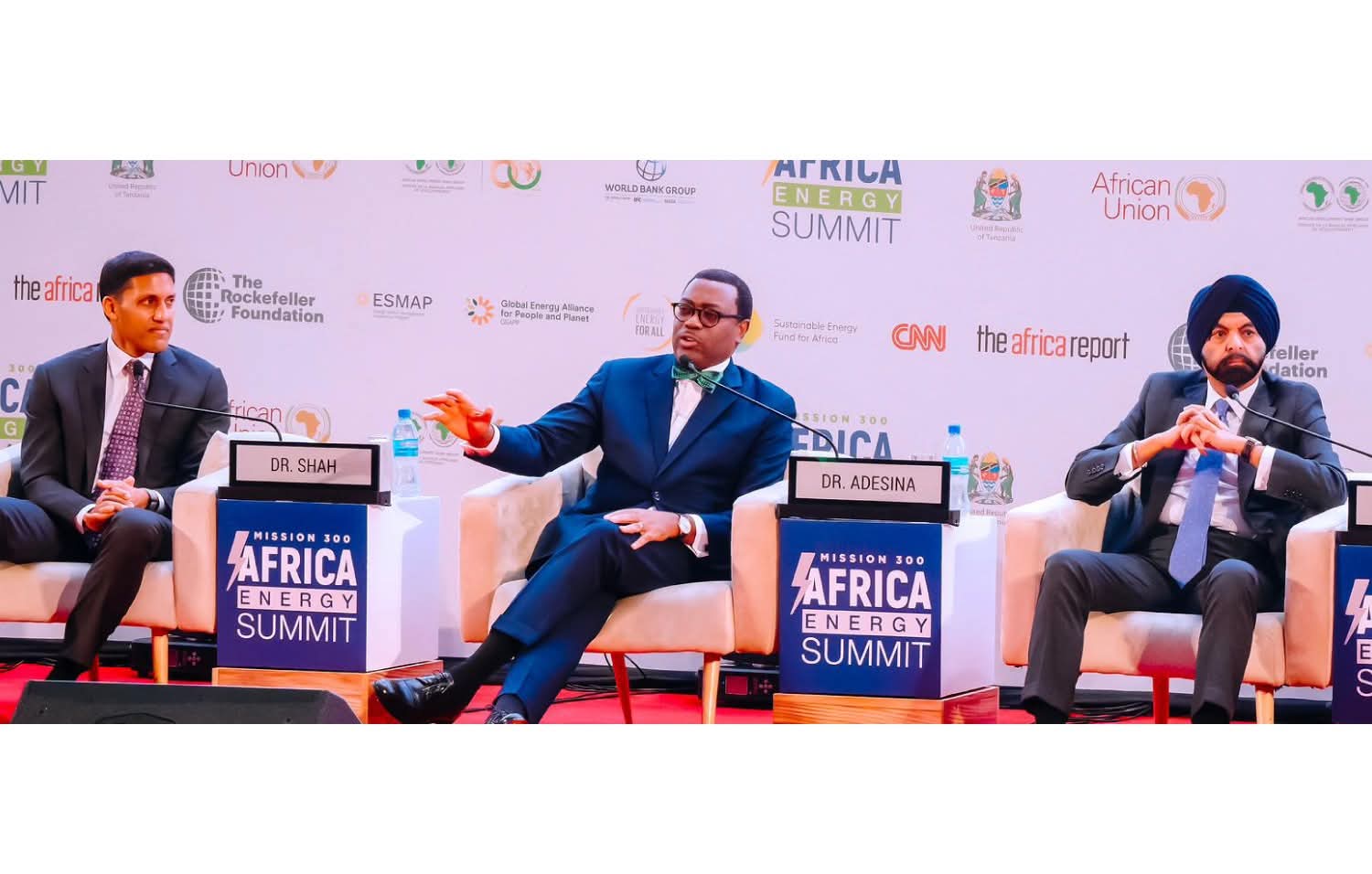
The Rockefeller Foundation has committed an additional $10 million to support efforts to expand electricity access across Africa under Mission 300, an initiative led by the World Bank Group and the African Development Bank.
The funding will be deployed through a partnership with the Global Energy Alliance for People and Planet to accelerate electrification in at least 15 African countries. It will primarily provide technical assistance to National Energy Compact Delivery and Monitoring Units, which are responsible for coordinating and tracking national electrification targets. Implementation is already underway in Malawi and Liberia.
The Foundation said earlier funding, channelled through RF Catalytic Capital, is supporting coordination and implementation capacity in Côte d’Ivoire, Nigeria, and Senegal via the Mission 300 Accelerator.
Mission 300 aims to connect 300 million Africans to electricity by 2030 using a mix of grid expansion and off-grid renewable energy systems, particularly in rural and underserved communities. The initiative has so far delivered electricity access to about 44 million people.
The latest investment comes amid persistent energy access challenges on the continent. More than 730 million people globally lack access to electricity, with approximately 600 million of them in Africa, according to development data.
Research by the Oxford Poverty and Human Development Initiative identifies lack of electricity as a key driver of extreme poverty, with impacts on healthcare delivery, education, agricultural productivity, and employment.
William Asiko, Senior Vice President and Head of Africa at the Rockefeller Foundation, said the new funding would help reduce dependence on unsafe and costly energy alternatives while supporting economic activities.
Andrew Herscowitz, Chief Executive Officer of RF Catalytic Capital’s Mission 300 Accelerator, said the additional investment would strengthen implementation capacity and expand the reach of the programme as it works towards its 2030 target.


