




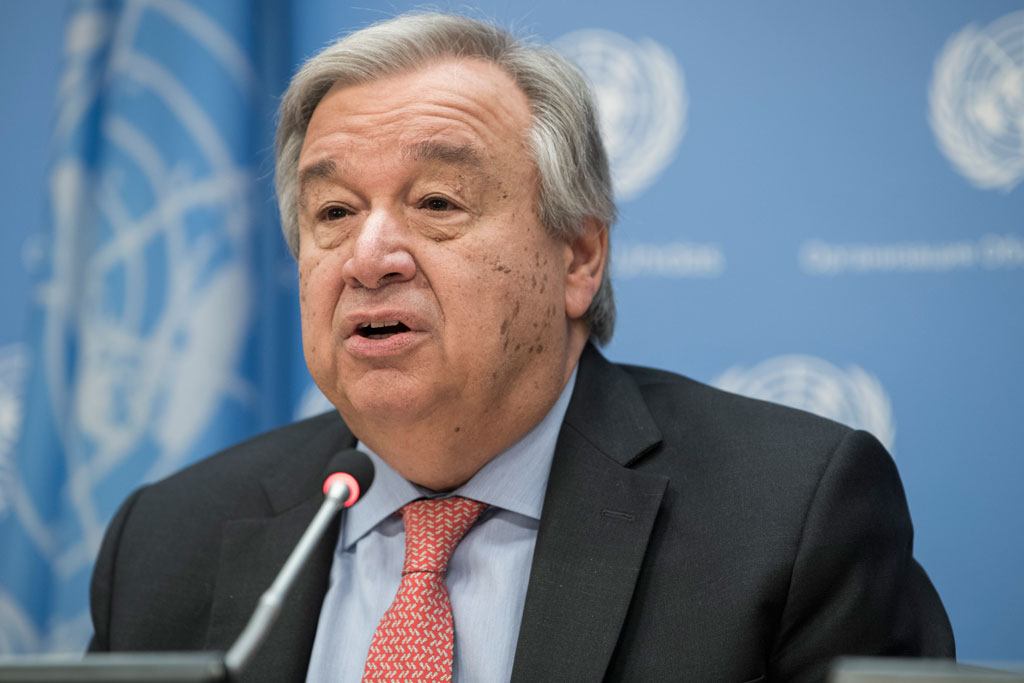
New York, United States – The United Nations has called for a significant increase to the tune of $500 billion each year in extra financing from the world’s most developed nations, to meet the crucial 2030 Agenda for Sustainable Development.
The SDG Stimulus aims to offset unfavorable market conditions faced by developing countries through investments in renewable energy, universal social protection, decent job creation, healthcare, quality education, sustainable food systems, urban infrastructure, and a transformation to working digitally.
“Today’s poly-crises are compounding shocks on developing countries – in large part because of an unfair global financial system that is short-term, crisis-prone, and that further exacerbates inequalities,” warned UN Secretary-General António Guterres, marking the launch of the SDG Stimulus.
“We need to massively scale up affordable long-term financing by aligning all financing flows to the SDGs and improving the terms of lending of multilateral development banks.
“The high cost of debt and increasing risks of debt distress demand decisive action to make at least $500 billion dollars available annually to developing countries and convert short-term lending into long-term debt at lower interest rates,” says the Secretary-General.
Halfway to the 2030 Agenda deadline, progress on the Sustainable Development Goals (SDGs) – the world’s roadmap out of crises – is not where it needs to be, the UN argues.
To reverse course and make steady progress on the Goals, the SDG Stimulus outlines the need for the international community to come together to mobilize investments for the SDGs – but, in so doing, also create a new international financial architecture that would ensure that finance is automatically invested to support just, inclusive and equitable transitions for all countries.
The current global financial system born out of two devastating World Wars – originally created to provide a global safety net during shocks – is one in which most of the world’s poorest countries saw their debt service payments skyrocket by 35 per cent in 2022, the UN notes.
The “great finance divide” continues to proliferate, leaving the Global South more susceptible to shocks.
Developing countries don’t have the resources they urgently need to invest in recovery, climate action, and the SDGs, making them poised to fall even further behind when the next crisis strikes – and even less likely to benefit from future transitions, including the green transition.
As of November last year, 37 out of 69 of the world’s poorest countries were either at high risk or already in debt distress, while one in four middle-income countries, which host the majority of the extreme poor, were at high risk of financial collapse.
Accordingly, the number of additional people falling into extreme poverty in countries in or at high risk of entering debt distress is estimated to be 175 million by 2030, including 89 million women and girls, according to UN figures.


