




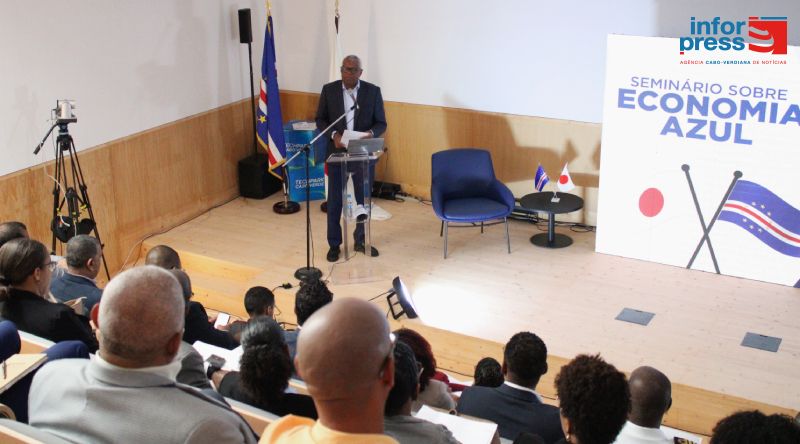
Cape Verde has reinforced its commitment to sustainable ocean governance with the launch of a joint seminar with Japan in Mindelo, signalling deepening cooperation between the two island nations on the future of fisheries management.
Announced recently by Cape Verde’s Minister of the Sea, the seminar focuses on aligning the economic viability of fisheries with environmental sustainability, an increasingly urgent challenge for small island developing states where marine resources underpin food security, employment and export earnings.
For countries such as Cape Verde, fisheries are both an economic lifeline and a fragile asset. Overexploitation, climate change, ocean warming and habitat degradation are placing mounting pressure on fish stocks and coastal ecosystems. Against this backdrop, the seminar is examining how fisheries can be assessed and managed through a dual lens that recognises ecological health as a prerequisite for long-term economic returns.
Officials note that Cape Verde and Japan share similar vulnerabilities linked to their heavy reliance on the ocean economy, including exposure to natural hazards and environmental stress. This shared context has shaped discussions around integrated strategies that protect marine biodiversity while sustaining livelihoods and supporting national development priorities.
The programme brings together policymakers, technical experts and practitioners to explore ways of strengthening fisheries value chains, improving resilience and exchanging best practices. Japan’s extensive experience in marine science, fisheries technology and sustainable management is expected to offer valuable lessons as Cape Verde advances reforms aimed at balancing resource use with conservation and community wellbeing.
From a sustainability reporting perspective, the initiative reflects broader global efforts to advance the blue economy as a driver of inclusive and climate-resilient growth. Across Africa’s coastal and island states, fisheries remain a cornerstone of local economies, making sustainable management both an environmental imperative and a socioeconomic necessity.
The seminar also underscores Cape Verde’s strategy of leveraging international partnerships to support knowledge transfer and capacity building. As the country expands its blue economy agenda, encompassing fisheries, maritime services and marine tourism, such collaborations are helping to strengthen governance frameworks and inform evidence-based policymaking.
Importantly, the partnership aligns with the African Union’s Agenda 2063, which calls for environmentally sustainable and climate-resilient economies. By prioritising responsible fisheries practices, Cape Verde and Japan are contributing to efforts to ensure that ocean resources continue to deliver equitable benefits while remaining productive for future generations.


