




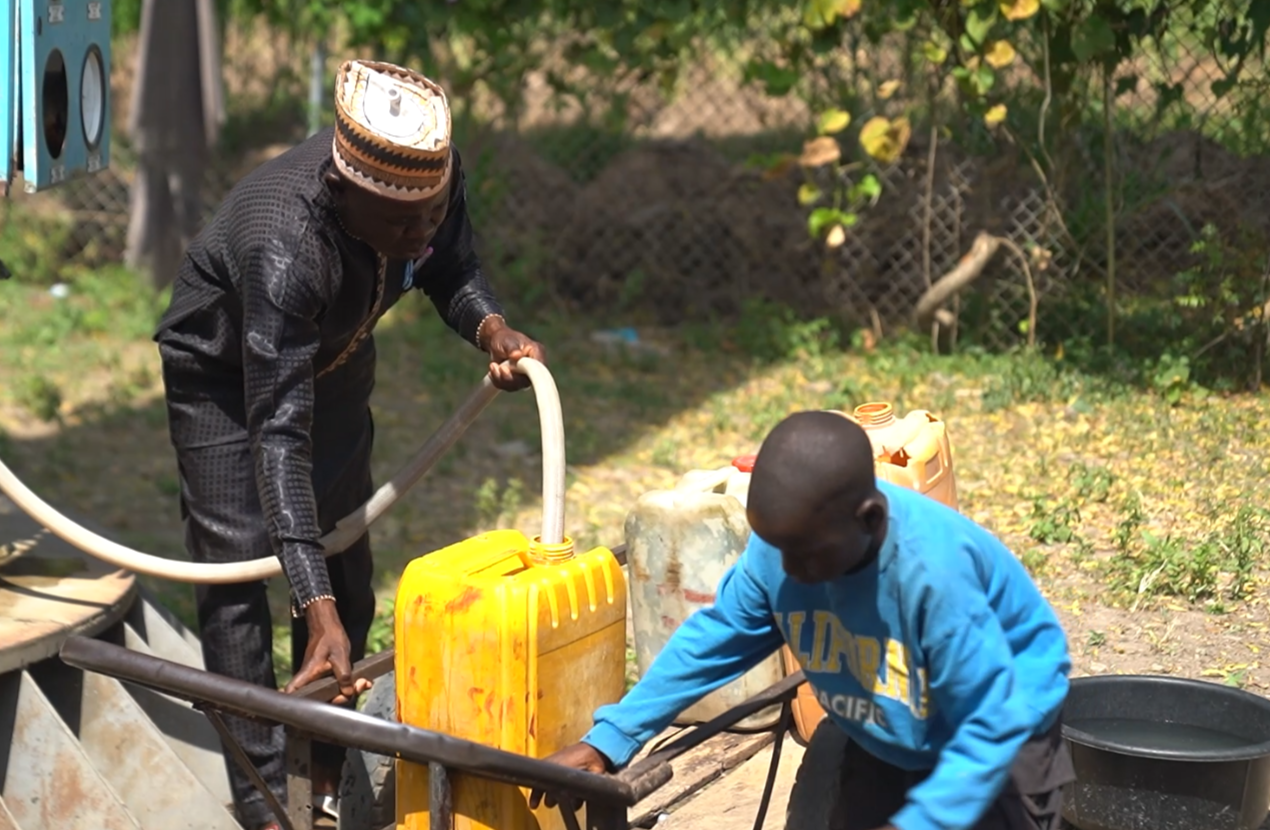
The United Nations Human Settlements Programme (UN-Habitat) has strengthened access to clean water, sanitation and hygiene services across parts of Niger State, as interventions begin to deliver measurable public health and environmental benefits.
State officials said the programme has improved living conditions in several communities, including Gwada, Beji, Tungan Malam, Kateri and Mariga, through upgraded water infrastructure and sanitation facilities.
Permanent Secretary of the Ministry of Water Resources, Akilu Kuta, said the interventions are supporting the state’s efforts to expand potable water supply and improve hygiene practices, though challenges such as vandalism and theft of public facilities persist.
UN-Habitat’s engagement in the state forms part of broader efforts to improve basic services and urban resilience, including the rehabilitation of water schemes and support for sustainable urban development policies. Between 2022 and 2024, the agency, with partners, helped restore multiple water systems, expanding access to safe drinking water to an additional 250,000 residents.
In Kpakungu community, officials said the provision of solar-powered boreholes and improved sanitation infrastructure has addressed long-standing gaps in access to clean water and safe waste disposal.
Sadiya Suleiman of the Niger State Water and Sewage Corporation said the intervention has contributed to a decline in waterborne diseases such as cholera, previously prevalent due to reliance on unsafe water sources.
Residents corroborated the impact, reporting reduced infections, improved environmental sanitation and a decline in mosquito and fly populations. Community leaders also noted behavioural changes, including reduced open defecation and less dependence on informal water vendors.
The Ward Head of Kpakungu, Tanko Ibrahim, said hygiene standards have improved significantly, while calling for sustained investment to consolidate the gains.
Access to safe water remains a major challenge in parts of Niger State, where aging and non-functional infrastructure has historically limited supply and exposed communities to health risks. Recent interventions aimed at rehabilitating water systems are aligned with efforts to improve public health outcomes and enhance resilience in underserved areas.
Stakeholders say scaling up such initiatives and strengthening community ownership will be critical to ensuring long-term sustainability of water and sanitation services in the state.


