Zimbabwe’s agricultural sector has marked an encouraging milestone to the 2025–2026 summer season, with maize plantings exceeding national targets in a development widely seen as strengthening food security and climate resilience.
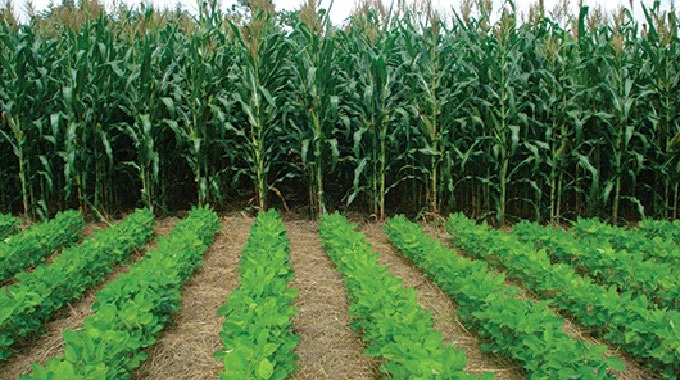
Official figures show that farmers planted approximately 1.89 million hectares of maize, about 105 per cent of the government’s 1.8 million-hectare target, reflecting a strong response to improved rainfall conditions.
Data cited by TV BRICS from The Herald indicate that the Agricultural and Rural Development Advisory Services (ARDAS) attributes the performance to favourable and sustained rains across much of the country. The improved precipitation has supported timely land preparation and planting, while also enhancing pasture availability for livestock, easing pressure on mixed farming systems that are highly vulnerable to climate variability.
ARDAS officials report that early crop conditions are generally positive, with adequate soil moisture during the critical germination and early growth stages of maize, Zimbabwe’s most important staple crop. From a sustainability perspective, these conditions reduce the immediate risk of crop failure and help stabilise rural livelihoods that depend heavily on rain-fed agriculture.
Several provinces exceeded their planting targets, contributing to the national overperformance. Mashonaland West planted 354,627 hectares against a target of 340,000 hectares, while Manicaland and Mashonaland East also surpassed planned figures. Such regional gains underscore how improved climate conditions can translate into tangible production outcomes when farmers are able to act quickly.
The planting success aligns with seasonal climate outlooks for the region. The Southern African Regional Climate Outlook Forum (SARCOF-31) has projected normal to above-normal rainfall across much of the Southern African Development Community (SADC), reinforcing confidence in expanded cropping and climate-adapted food security planning.
For Zimbabwe, exceeding maize planting targets is more than a numerical achievement. It represents an important step toward building a more resilient food system in the face of climate change. If favourable weather patterns continue and are supported by sound agricultural policies and extension services, the strong planting performance could translate into higher yields, reduced reliance on imports, and improved long-term food sustainability.